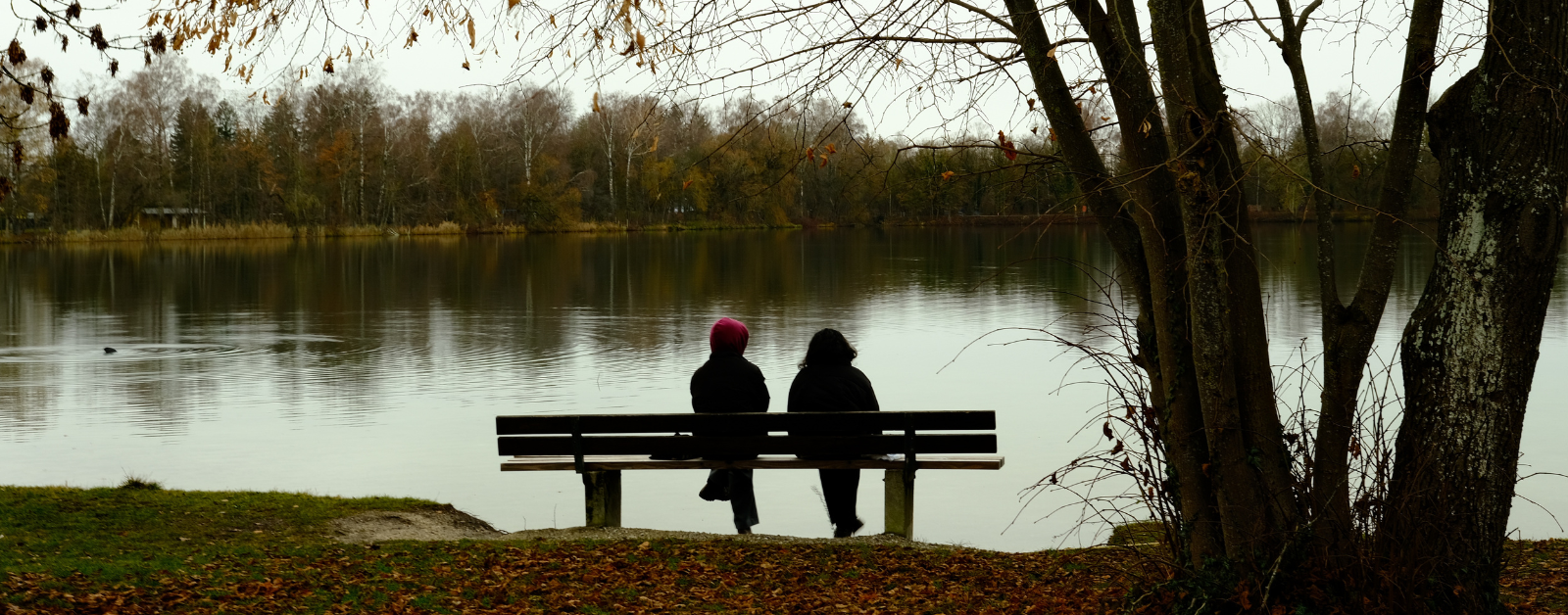
Why does naming grief in community make hope possible? We often imagine hope as something we generate internally, but so much of hope is actually formed in relationship. It emerges when we are willing to name what is hard—hurt, anger, fear, grief—not simply for the sake of labeling our emotions, but so that we can be heard and held in them by another person.
The deepest fear in moments of loss or diagnosis is rarely only about what is happening. More often, it is the fear of facing it alone. We can imagine a future of ongoing grief that feels unending precisely because we cannot yet see who will be with us in it. And yet hope begins to emerge when someone is present enough to say, “Yes, this is really hard, and I am here.” The circumstance may remain unchanged, but the experience of it becomes more bearable because it is no longer carried in isolation.
This is why community is not optional in healing. It is as essential as the laws of physics are to building a bridge. We are not meant to hold the weight of grief alone, and when we try, we are working against the way human life is designed to flourish.
Anxiety pulls our attention toward what feels overwhelming, making it hard to stay with what is right in front of us. But life is lived in moments, not miles, and grief is a natural response to rupture in those moments. When we name it—especially in the presence of others who can receive it—we are not dwelling in pain. We are creating the conditions where hope can quietly begin to take shape again.
__
There’s more in my conversation with psychiatrist Curt Thompson—After Diagnosis: Grief Isn’t the End of the Story with Dr. Curt Thompson • 🎙️E21
SUBSCRIBE to my Substack newsletter: amyjuliabecker.substack.com
JOIN the conversation on Instagram: @amyjuliabecker
LISTEN to my podcasts: amyjuliabecker.com/shows/
CONNECT on YouTube: Amy Julia Becker on YouTube