Most of us find reasons not to, but it is almost always worth it to just show up.
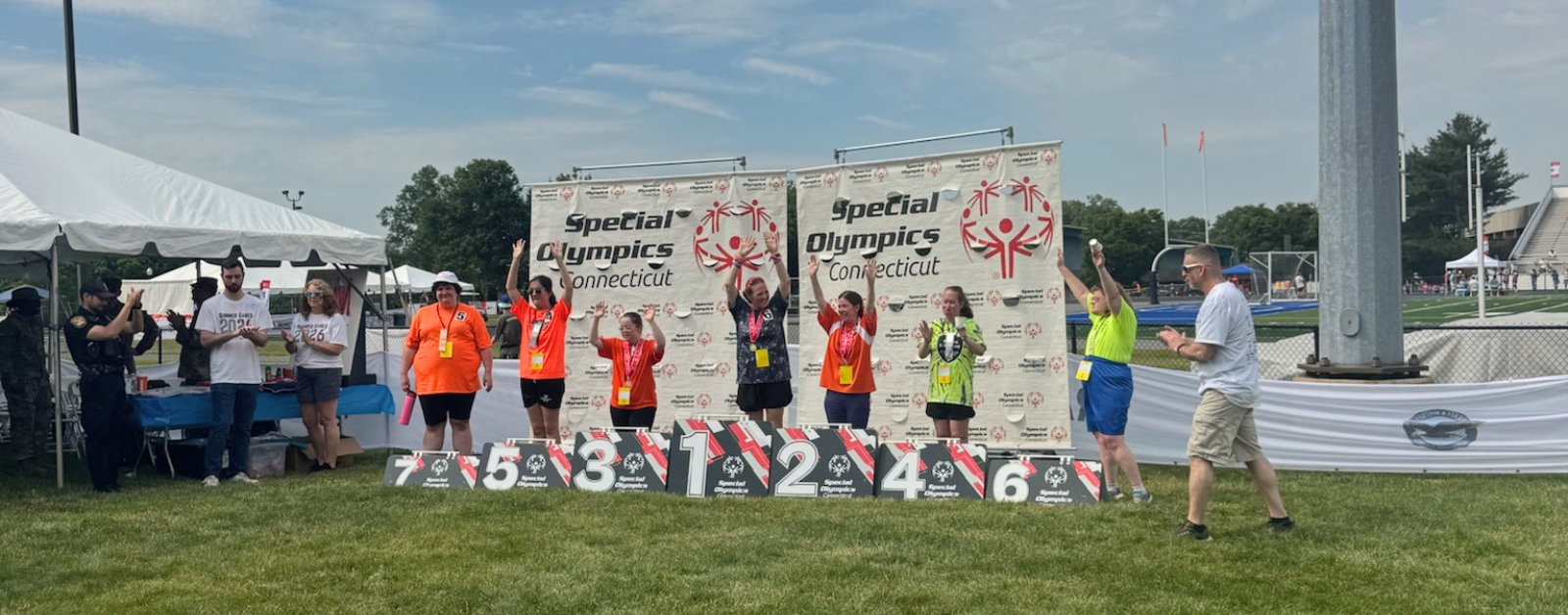
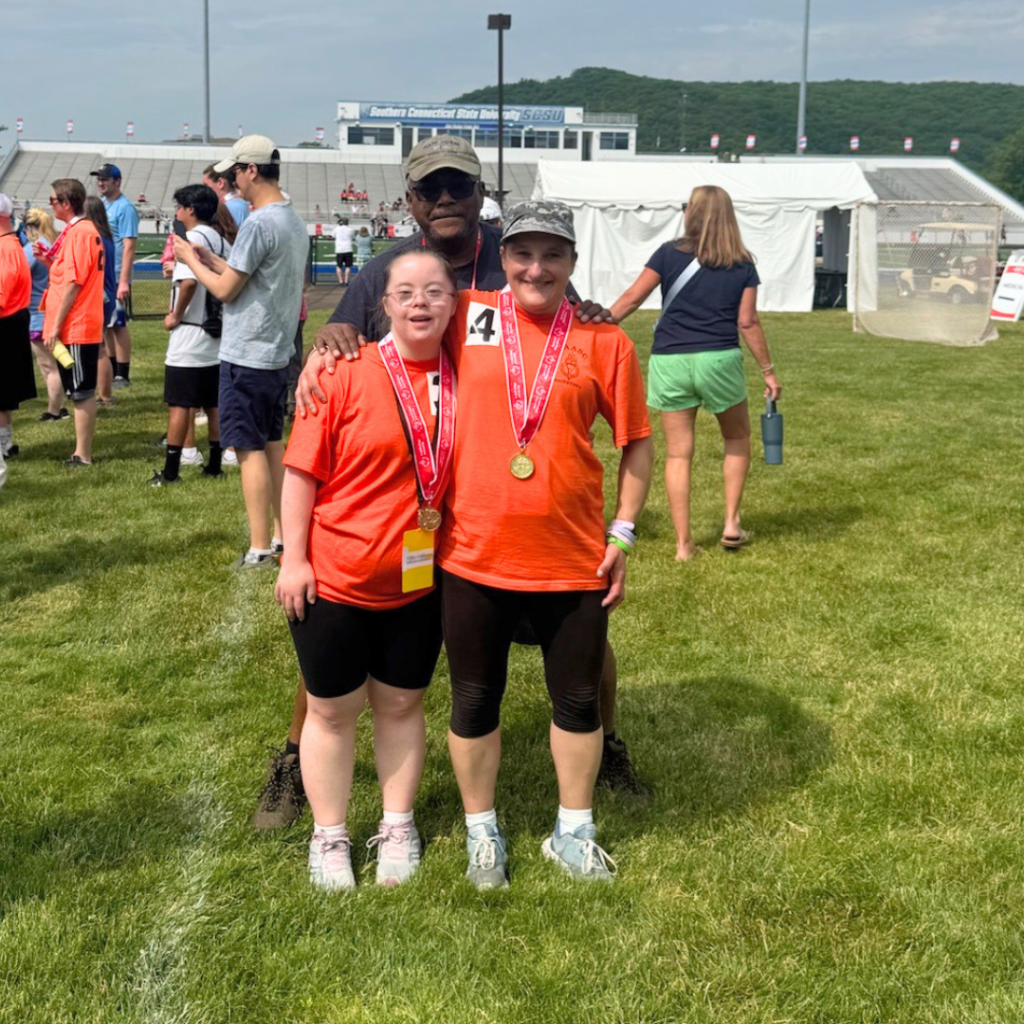
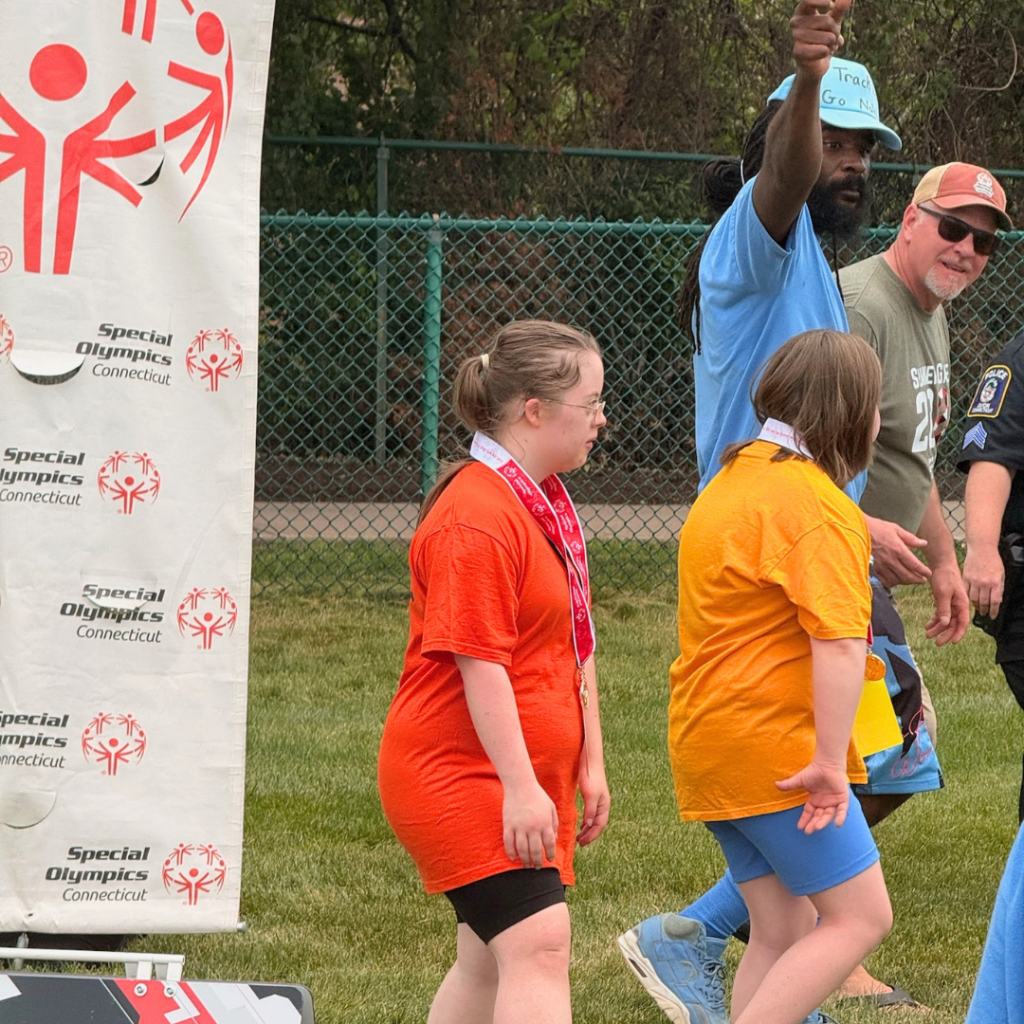
My most recent opportunity to be reminded of this truth came on Saturday, when I took Penny to the Connecticut Special Olympics track meet. We both dragged our feet getting out of bed early on a Saturday. We didn’t know exactly where we were going. Penny has been sporadically attending track practice this spring, but we don’t yet have close bonds. It was hot. I was tired. It would have been really really easy to not show up.
Recently, I listened to Laurie Santos from the Happiness Lab at Yale University talk about the power of showing up.1 She mentioned that many Americans are experiencing “time famine” rather than a sense of “time affluence.” We feel poor when it comes to time. And one of the ways we respond to our sense of never having enough time is to withdraw, which of course means we get lonely and isolated and more unhappy.
So we need to show up. I need to motivate myself to get out the door and go to the track meet. But showing up takes so much emotional energy. Again, as Santos says, “even though we’re built to be social, connection is hard.” There’s the friction of interacting with new people and not knowing if there’s anything much to talk about or any points of connection. There’s the uncertainty of it all. There’s the awkwardness of being an outsider.
Still, Penny and I showed up. I sat in the stands alone, feeling grumpy and sorry for myself, during Penny’s first event—the 50 meter dash. She got a bronze medal. I took what felt like perfunctory photos. We then had two hours until her next event, which would also last all of a few seconds.
But there we were, so we wandered around together. We noticed an ice cream truck, which, as it happened, was owned by an ice cream shop where Penny had recently applied for a summer job. She introduced herself (with much cajoling from her mother) to the owner, and they talked about when she could come in for an interview.
She noticed a friend from school sitting a few stands away. She approached him hesitantly, and I stayed put, refusing to rescue her from her own experience of taking a risk socially by saying hello to someone who doesn’t expect to see you. And as soon as she called his name, his face lit up. I couldn’t make out their words, but I could hear them laughing together. And then he bounded over to meet and greet me.
Later, Penny participated in the softball throw and saw another friend from high school. We were invited to more events through our local Special Olympics chapter.
It was a beautiful, blessed day.
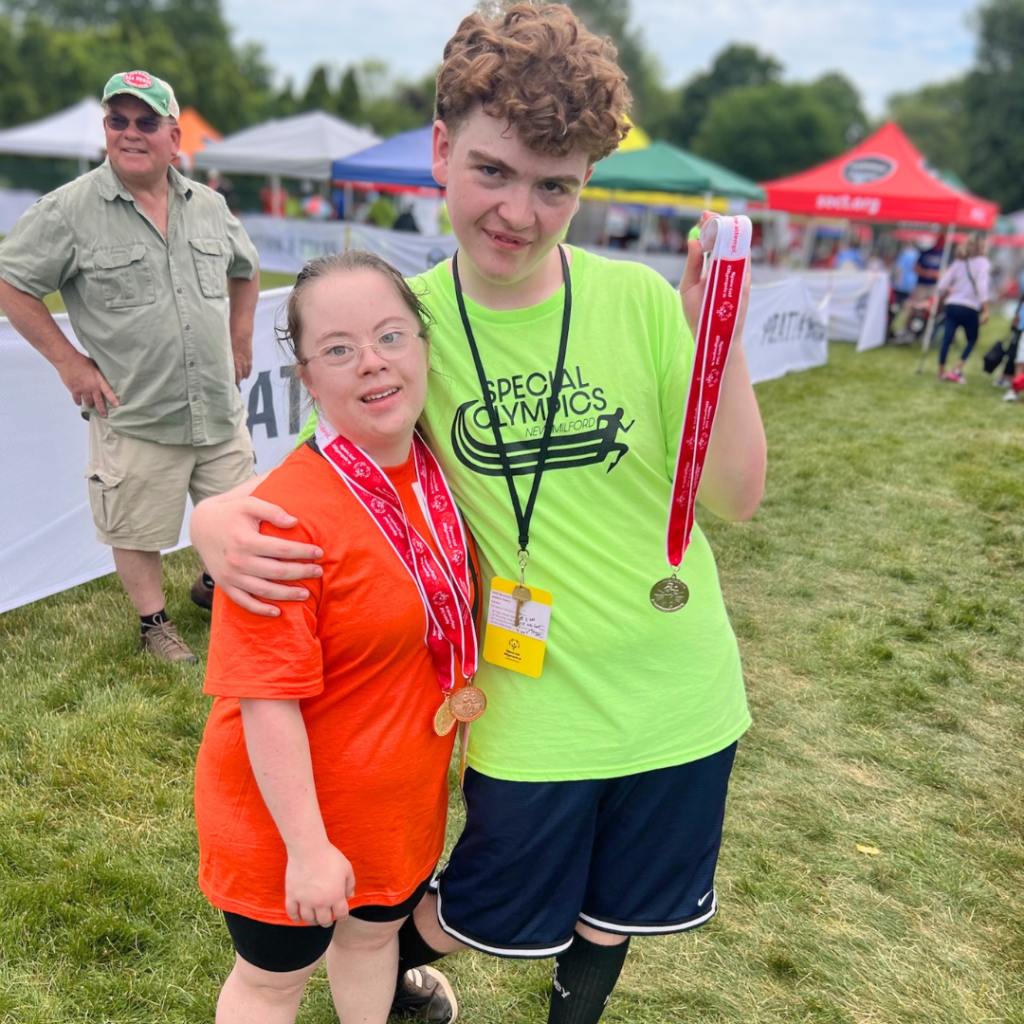
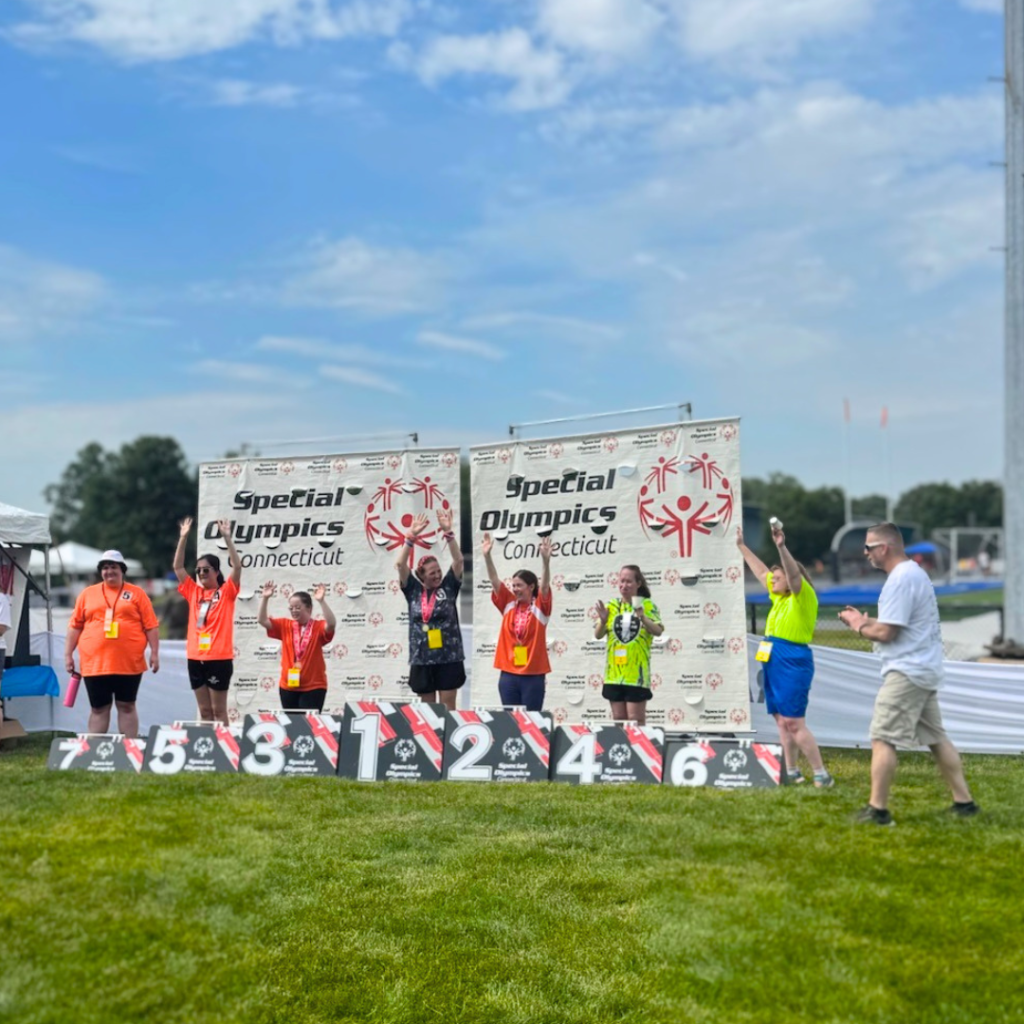
Over and over again, when it comes to voluntary gatherings, I resist. And over and over again, when we show up, it’s unpredictably worth it.
As we move into summertime, and many of us have more opportunities to show up (or even to gather people together), let’s say yes. Say yes to awkwardness and friction and uncertainty. Say yes to spending unproductive unpredictable time. Say yes to human connection. Say yes to unexpected delight.
SUBSCRIBE to my Substack newsletter: amyjuliabecker.substack.com
JOIN the conversation on Instagram: @amyjuliabecker
LISTEN to my podcasts: amyjuliabecker.com/shows/
CONNECT on YouTube: Amy Julia Becker on YouTube
Amy Julia Becker desires to challenge assumptions about the good life, proclaim the inherent belovedness of every human being, and help us envision and build a world of belonging where everyone matters. Amy Julia invites people to reimagine the good life through her writing and speaking on disability, faith, and culture. She is the author of several books, including To Be Made Well, White Picket Fences, Small Talk, and A Good and Perfect Gift. She is a guest opinion writer for national publications and hosts two podcasts: Take the Next Step and Reimagining the Good Life. Becker is a graduate of Princeton University and Princeton Theological Seminary (MDiv). She is a member of the Disability Ministry Network and the Alliance for Disability Justice and Ethics in Reproductive Genetics. She lives with her husband and their three children in western Connecticut.