I want to start today by saying thank you for your concern and support when I mentioned last week that Penny might have one year fewer than we expected in her current college transition program. As it turns out, the email I had received with this news was a clerical error/miscommunication, so we are back on track. And yet—as I reflect on friends with young adults in other school districts, and as I hear from so many of you—I’m aware all over again that our particular circumstances, where things seem to work out well for our child with a disability, are not the norm. And circumstances like ours are in danger of becoming increasingly rare.
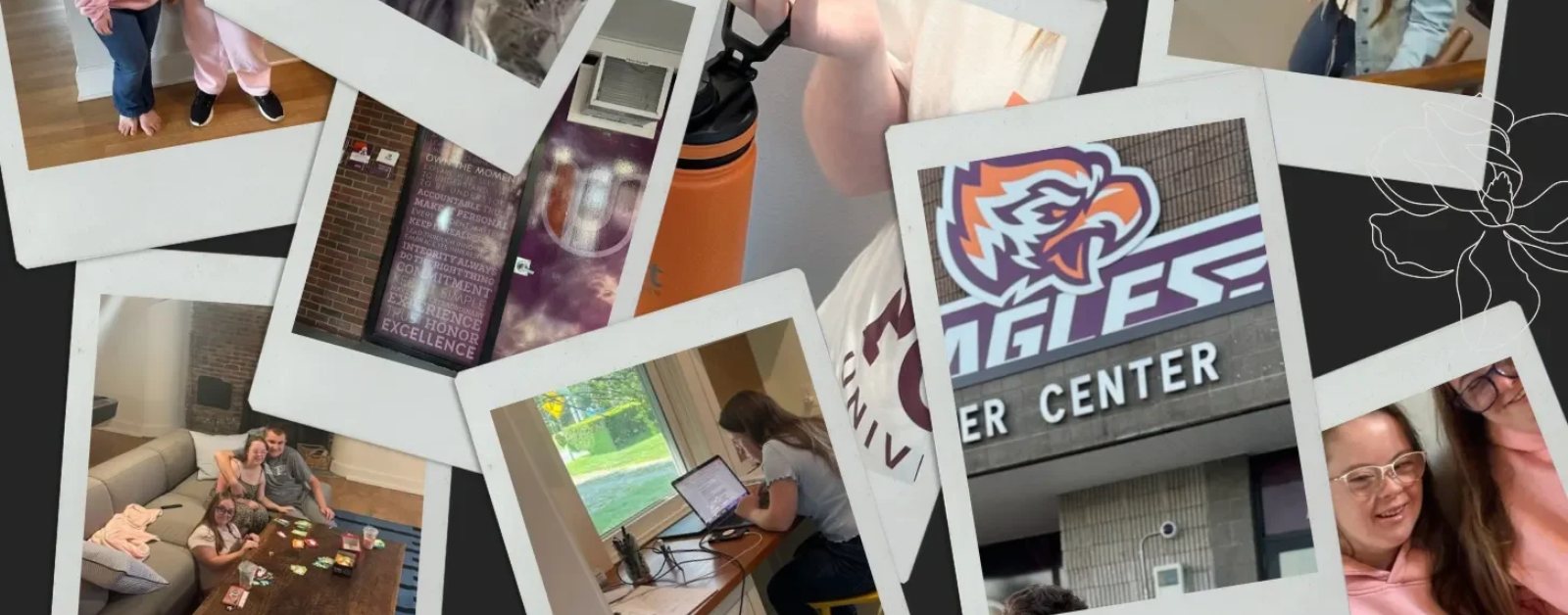
Penny has multiple teachers and staff members who help her pursue academic interests, grow in social skills, learn at a work placement, and develop emotional maturity. Most young adults in transition programs like Penny’s do not have the quality of instruction or depth and breadth of community she has.
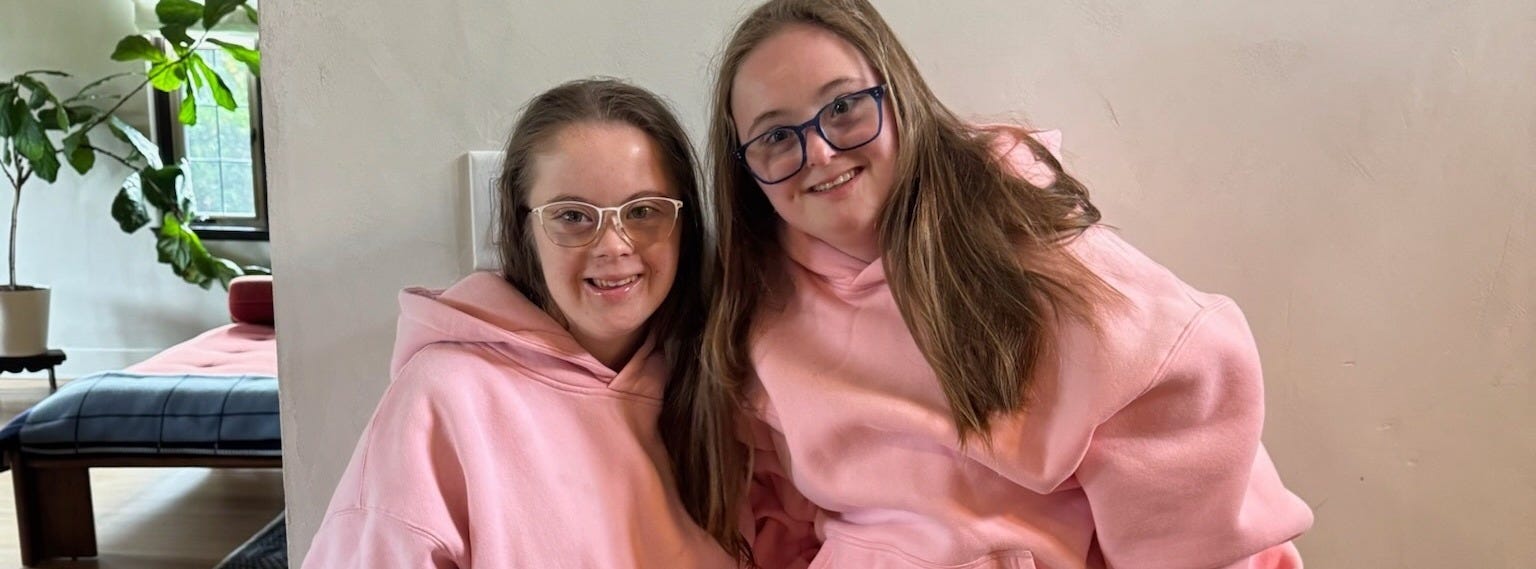
Penny and her friends go to school from 8am-2pm, five days a week. They FaceTime with each other and hang out outside of school. She’s had a boyfriend from this program for a year now. Her friend Lexi came over last weekend so they could get ready for the Homecoming game and attend it together. Many of Penny’s peers across the country only participate in their transition programs for a few hours a week and spend most of their time alone at home.
Homecoming, dating, group projects and presentations, going to school—these are typical experiences for young adults, and yet few young adults with disabilities receive support that allows this type of friendship and learning and growth. But programs like the one Penny is a part of give us a vision—an imagination—for what is possible for more and more students if we have the willingness to make it happen.
Programs like Penny’s should be a model, and yet they are in danger of erasure. I’ve spoken with Vanderbilt professor Meghan Burke a few times on my podcast (here and here), so I was especially interested in what she had to say to Education Week about the effect of recent Justice Department decisions on special education for young adults in the transition age of 18-22.
The first thing to know is that while the Americans with Disabilities Act itself has not changed, the U.S. Justice Department has changed the way they plan to enact this legislation. They will no longer follow the Olmstead v L.C. ruling from 1999 that required states to “eliminate unnecessary segregation of people with disabilities and ensure they receive services ‘in the most integrated setting appropriate to their needs.”
So what would that mean for 18-22 year olds in transition programs? Meghan Burke explains:
“The Individuals with Disabilities Education Act … requires transition planning that is designed to start thinking about what supports are needed so that a student can have better post-school outcomes after leaving the special education system.
“In the transition plan, there have to be goals related to postsecondary education or training …, employment, and …, if appropriate, … independent living… What the DOJ is suggesting is that maybe it is no longer the goal for youth with disabilities to live in the community…If that’s no longer necessarily the goal, then you could see schools saying, ‘Well, we don’t really need to work on those skills.’”
I am incredibly grateful that we have participated in school districts for years that see the value not only in educating people with disabilities but also in preparing them for an integrated life within our local community. The irony is that this type of preparation not only works well for people with disabilities, but it also benefits the students who learn together, the families who receive support and connection, and even the taxpayers who no longer fund institutions that segregate adults with disabilities. Local school districts can continue to be places where people with disabilities thrive, but we can’t depend on the federal government to lead the way.
Which brings me back to our experience and the role of both individuals within our community and local institutions in making it possible for people like Penny to learn and grow and contribute. We are the ones who can take a vision of inclusion and connection and mutual benefit for people with disabilities and their typical peers and make it happen rather than relegating it to a historical footnote.
Penny walked out the door today with a new necklace—a gift from her boyfriend—and an oversized pink sweatshirt that she was returning to her friend Lexi, who had provided it so they could dress as twins for the Homecoming game. She will return this afternoon and tell me about art class, where she’s working on a landscape painting. I might hear about some social drama. She gets to be a young adult in society, with support and love and friendship, with hopes and dreams for a good future. That’s exactly what each of our kids—with and without disabilities—deserve.
SUBSCRIBE to my Substack newsletter: amyjuliabecker.substack.com
JOIN the conversation on Instagram: @amyjuliabecker
LISTEN to my podcasts: amyjuliabecker.com/shows/
CONNECT on YouTube: Amy Julia Becker on YouTube
Amy Julia Becker desires to challenge assumptions about the good life, proclaim the inherent belovedness of every human being, and help us envision and build a world of belonging where everyone matters. Amy Julia invites people to reimagine the good life through her writing and speaking on disability, faith, and culture. She is the author of several books, including To Be Made Well, White Picket Fences, Small Talk, and A Good and Perfect Gift. She is a guest opinion writer for national publications and hosts two podcasts: Take the Next Step and Reimagining the Good Life. Becker is a graduate of Princeton University and Princeton Theological Seminary (MDiv). She is a member of the Disability Ministry Network and the Alliance for Disability Justice and Ethics in Reproductive Genetics. She lives with her husband and their three children in western Connecticut.