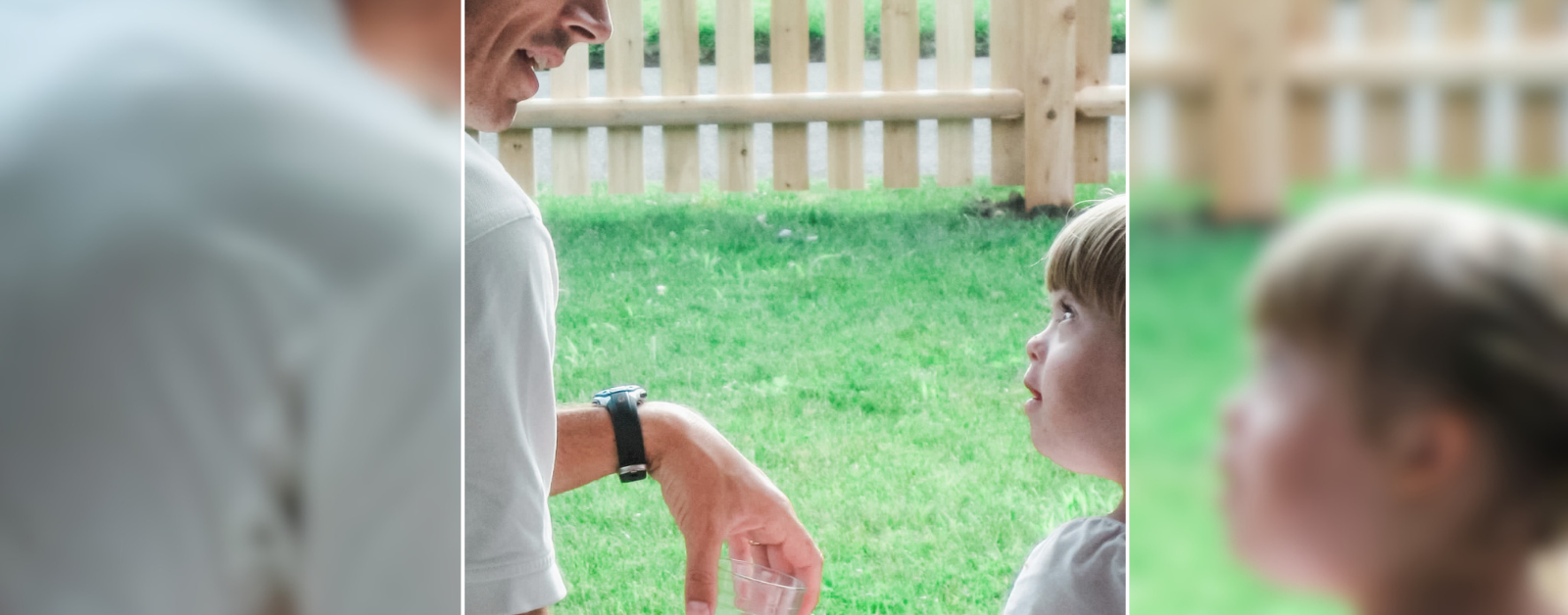
Somewhere along the way, my husband Peter and our daughter Penny, who has Down syndrome, developed an elaborate goodnight ritual involving a complicated handshake followed by cheering and naming sports teams. It’s small expressions like these, counselor David Thomas says, that build connection, consistency, and a sense of belonging.
In a recent conversation with David about his new book, Capable, I was reminded that so much of what helps our children grow doesn’t happen through grand gestures or carefully constructed parenting strategies. Often, growth happens through ordinary life in the ways we respond when our children are overwhelmed, the opportunities we give them to do hard things, and the rhythms and rituals that remind them they are secure and loved.
Here are three ideas from our conversation about helping our children grow in capability and confidence:
1) Name feelings and help kids navigate them.
Emotional literacy is important, but children also need practical tools to regulate their bodies and respond to overwhelming emotions in ways that bring relief without causing harm. One example that David gave was of a child screaming into a pillow when they are frustrated. This brings relief and doesn’t cause harm, as opposed to screaming at a family member, which may bring relief but can cause harm to the relationship.
_
2) Confidence is built through everyday challenges.
Praise and affirmation matter, but when kids have opportunities to do hard things, practice skills, and experience their own competence, confidence grows. David says, “Pick two things you’re currently doing that your kids could do for themselves—or could almost do. How could you back away?”
_
3) Calm is contagious too.
David points out that anxiety is contagious and can spill out onto people around us, but the good news is that calm is contagious too. When parents and caregivers can practice regulation themselves, they model for children what it looks like to recognize overwhelm and respond in healthy ways.
_
Raising Capable, Confident Kids: Disability + Parenting • David Thomas, LMSW
SUBSCRIBE to my Substack newsletter: amyjuliabecker.substack.com
JOIN the conversation on Instagram: @amyjuliabecker
LISTEN to my podcasts: amyjuliabecker.com/shows/
CONNECT on YouTube: Amy Julia Becker on YouTube
Amy Julia Becker desires to challenge assumptions about the good life, proclaim the inherent belovedness of every human being, and help us envision and build a world of belonging where everyone matters. Amy Julia invites people to reimagine the good life through her writing and speaking on disability, faith, and culture. She is the author of several books, including To Be Made Well, White Picket Fences, Small Talk, and A Good and Perfect Gift. She is a guest opinion writer for national publications and hosts two podcasts: Take the Next Step and Reimagining the Good Life. Becker is a graduate of Princeton University and Princeton Theological Seminary (MDiv). She is a member of the Disability Ministry Network and the Alliance for Disability Justice and Ethics in Reproductive Genetics. She lives with her husband and their three children in western Connecticut.