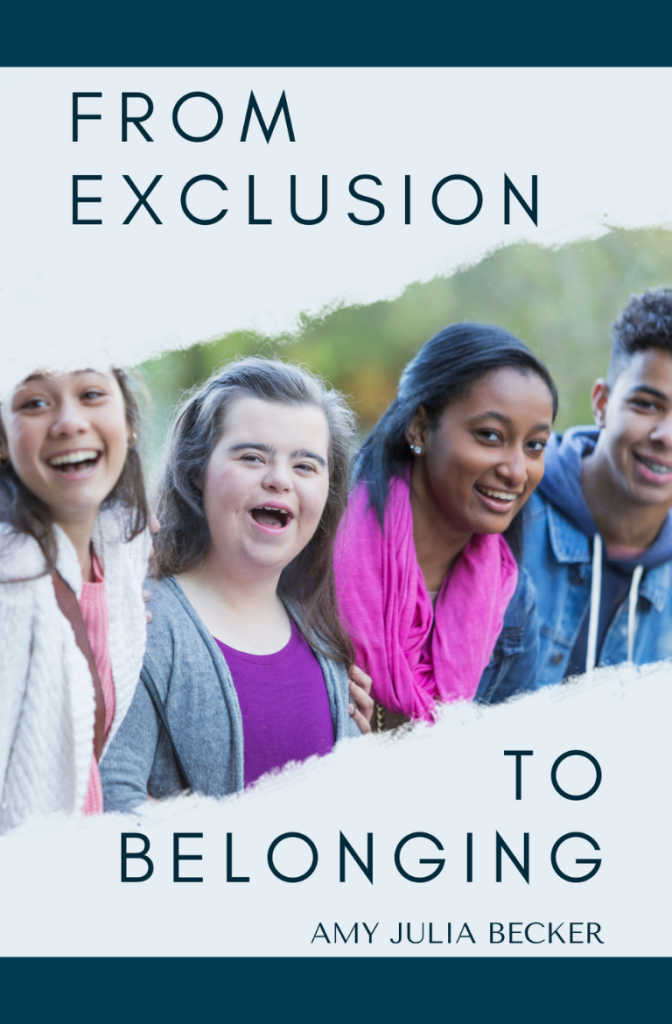
Years ago, our daughter was rejected from a preschool program as soon as the director heard that she had Down syndrome. The label she received at birth of “disability” seemed to set her apart in our culture as flawed, needy. Experiencing the social stigma of disability and the social disadvantages and harms of racism are not the same, but they both come with experiences of exclusion and division.
I’ve come to understand that the experience of exclusion harms everyone—those cut off from access to opportunity as well as those who are at the “center” of society and live in a perpetual cycle of anxious striving to maintain our exclusive status. Jesus offers a way through the walls, both the individual walls of personal separation and the institutional and structural walls.
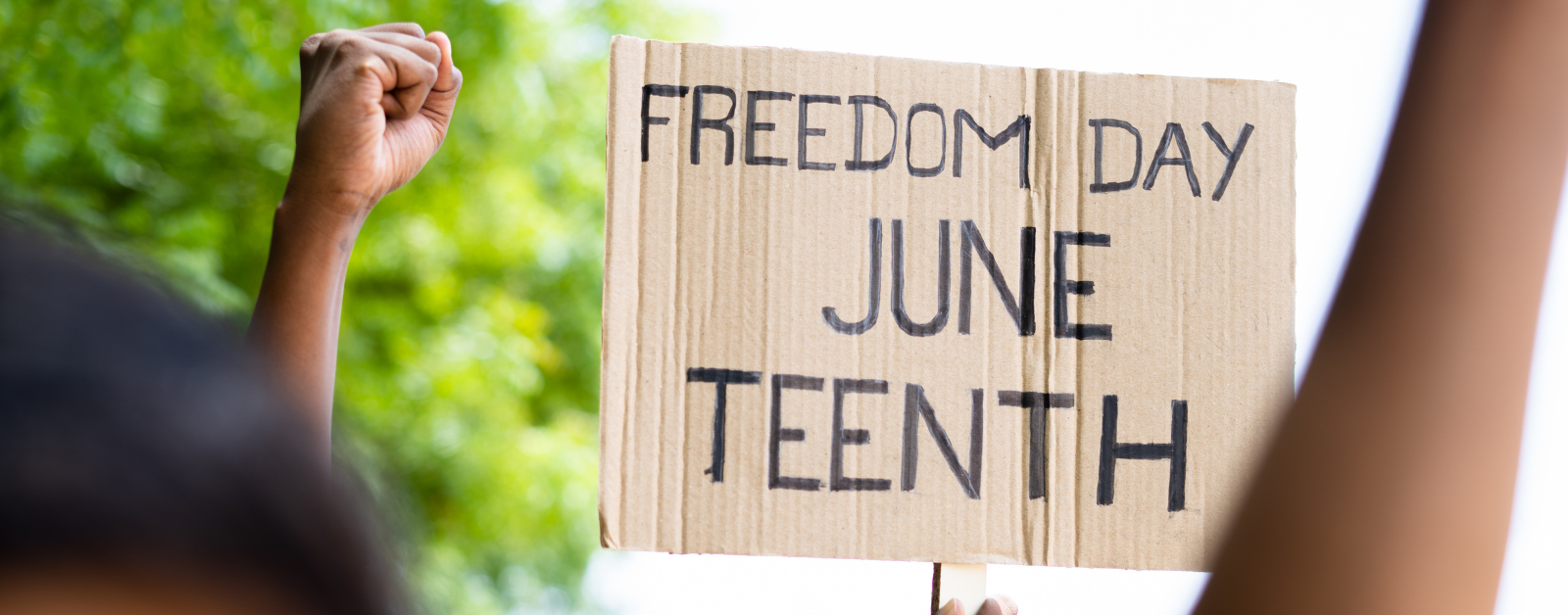
The way through the walls is not tolerance or inclusion. The way through the walls is love. Today is Juneteenth, a day that commemorates freedom while reminding us of the work still before us, so I’m grateful for my conversation with pastor and historian Malcolm Foley. He reminds us that the stories we tell shape the kinds of responses we imagine are possible…
1. Love Requires Material Commitment
Malcolm points out that love, particularly love shaped in the way of Jesus, is not merely a feeling or sentiment but a tangible commitment to another person’s well-being. We’re called to express love through actions that ensure others have access to the resources they need to flourish.
2. Human Flourishing Depends on Mutual Dependence
One of Malcolm’s central challenges is to the ideal of self-sufficiency. He highlights the flourishing that is possible when we become people who both share what we have and ask for help when we need it, recognizing that every person is simultaneously needy and needed within a community formed by mutual dependence and God’s generosity.
Listen to the rest of my conversation with Malcolm Foley on Reimagining the Good Life.
SUBSCRIBE to my Substack newsletter: amyjuliabecker.substack.com
JOIN the conversation on Instagram: @amyjuliabecker
LISTEN to my podcasts: amyjuliabecker.com/shows/
CONNECT on YouTube: Amy Julia Becker on YouTube
Amy Julia Becker desires to challenge assumptions about the good life, proclaim the inherent belovedness of every human being, and help us envision and build a world of belonging where everyone matters. Amy Julia invites people to reimagine the good life through her writing and speaking on disability, faith, and culture. She is the author of several books, including To Be Made Well, White Picket Fences, Small Talk, and A Good and Perfect Gift. She is a guest opinion writer for national publications and hosts two podcasts: Take the Next Step and Reimagining the Good Life. Becker is a graduate of Princeton University and Princeton Theological Seminary (MDiv). She is a member of the Disability Ministry Network and the Alliance for Disability Justice and Ethics in Reproductive Genetics. She lives with her husband and their three children in western Connecticut.