I sometimes beat myself up as a parent. In all honesty, I also beat myself up as a human, but on the parenting front, I think about how I let our kids stop playing piano during Covid because Skype lessons were so painful. I wish I hadn’t given in on that one. And then there are the screens. I regret so many things about the amount of short and superficial content that has crept into our lives.1 I wish that I had worked harder to instill habits of daily spiritual reflection as a family. The list goes on.
There are some good lessons for me in reflecting on areas where I’ve conceded too much. But sometimes, in the midst of the waves of self-recrimination, I ask myself what is motivating the regret. And usually, what I find is that I want our kids to perform well and impress others and look good. I want them to achieve their potential.2 And I’m not convinced that’s a great way to parent. I’m not convinced it’s a good way to think about myself either.
How the Ivy League Broke America (and parenting?)
The cover story of December’s Atlantic Magazine comes from David Brooks, who writes about the problems of the American meritocracy, which is to say, the trouble with our social hierarchy and the way we decide who is deserving of admission to selective colleges and worthy of attention in classrooms and internships and job interviews. He lists six problems of the meritocracy, including the claim, “the meritocracy is a gigantic system of extrinsic rewards.” His description of how this happens is worth quoting at length:
Students are trained to be good hurdle-clearers. We shower them with approval or disapproval depending on how they measure up on any given day. Childhood and adolescence are thus lived within an elaborate system of conditional love. Students learn to ride an emotional roller coaster—congratulating themselves for clearing a hurdle one day and demoralized by their failure the next. This leads to an existential fragility: If you don’t keep succeeding by somebody else’s metrics, your self-worth crumbles.
What I don’t want to do as a parent
There’s much more to comment on in Brooks’ essay, but for now I want to focus on this point. He is making an argument about society as a whole. I’m thinking about his words as it pertains to my own parenting and my own sense of self. I don’t want to be someone who offers conditional love to our kids. I don’t want to contribute to existential fragility. I don’t want to put them on that emotional rollercoaster, not only with the congratulations and demoralizing he describes but also the rollercoaster of comparisons to all the other striving students around them. I’m skating close to that thin ice (if not finding myself underwater) every time I wish I had done more to make sure they have more success.
I don’t want our children to achieve their potential.
I do want them to become who they are created to be.
What we get to do as parents
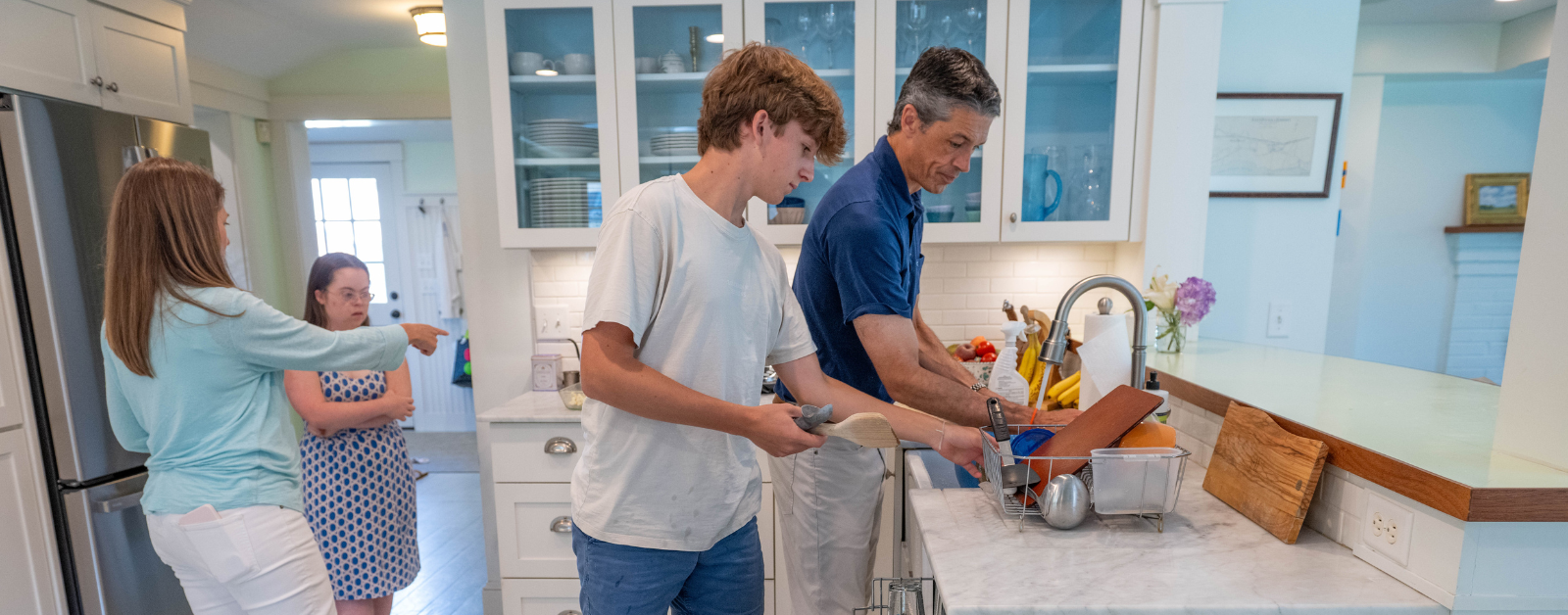
I have started to see our role as parents not as pressure-cookers, but also not as passive observers. Rather, we get to nurture them, guide them, and offer them a vision of who they are becoming. We get to help them notice what they really enjoy and love. We get to point out the ways they bring delight and excitement and goodness to the world around them. Instead of pushing them up a ladder of success, we get to walk with them along a path of discovery. And, sometimes, we get to encourage them to try something on their own, to take a risk, even if it doesn’t look like succeeding.
We had one of those moments recently with Penny, when she had a chance to go through airport security on her own (you can read more about that—and watch a video—here).
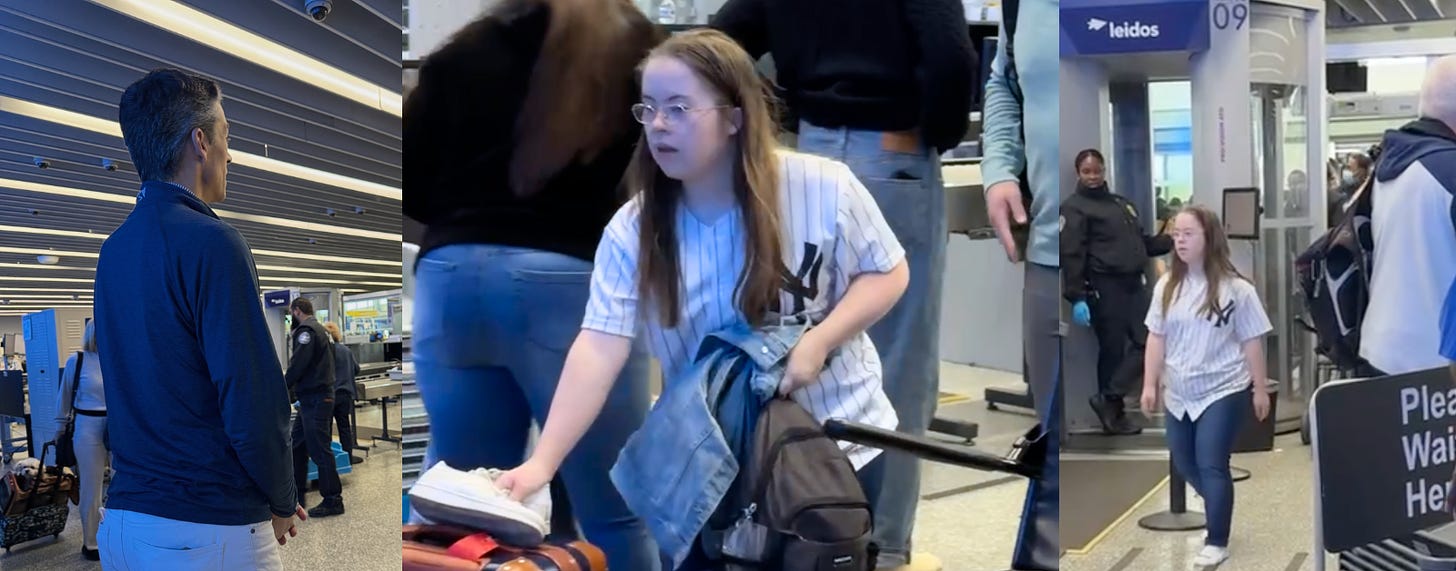
We are encouraging William to take the classes he’s most interested in, even though he thinks he might struggle to get As in them. We comment on the ways we see Marilee becoming more and more interested in schoolwork rather than on the grades she gets on tests and papers. And we are increasingly demonstrating the same attitude in our own lives, whether that’s offering a public apology after we act like a jerk, or sharing a story of rejection or defeat. We want our kids to know that we are just like them—in the process of becoming who we are meant to be, not in a desperate race to prove ourselves to the world.
We can start here.
MORE WITH AMY JULIA:
Embracing Belovedness: A New Approach to Parenting and Mental Health
Meritocracy Is the Antithesis to Love | Plough Essay
Let’s stay in touch. Subscribe to my newsletter to receive weekly reflections that challenge assumptions about the good life, proclaim the inherent belovedness of every human being, and envision a world of belonging where everyone matters. Follow me on Facebook, Instagram, and YouTube and subscribe to my Reimagining the Good Life podcast.