One night last week, we finished dinner, and I was ready to get back to work. I had already missed my deadline to submit the slides for my Hope Heals talks to the A/V team at camp. I was overdue with a book endorsement. I hadn’t finished reading yet another book for an upcoming podcast interview. And there were dishes in the sink. And an unmade bed. And a messy desk.
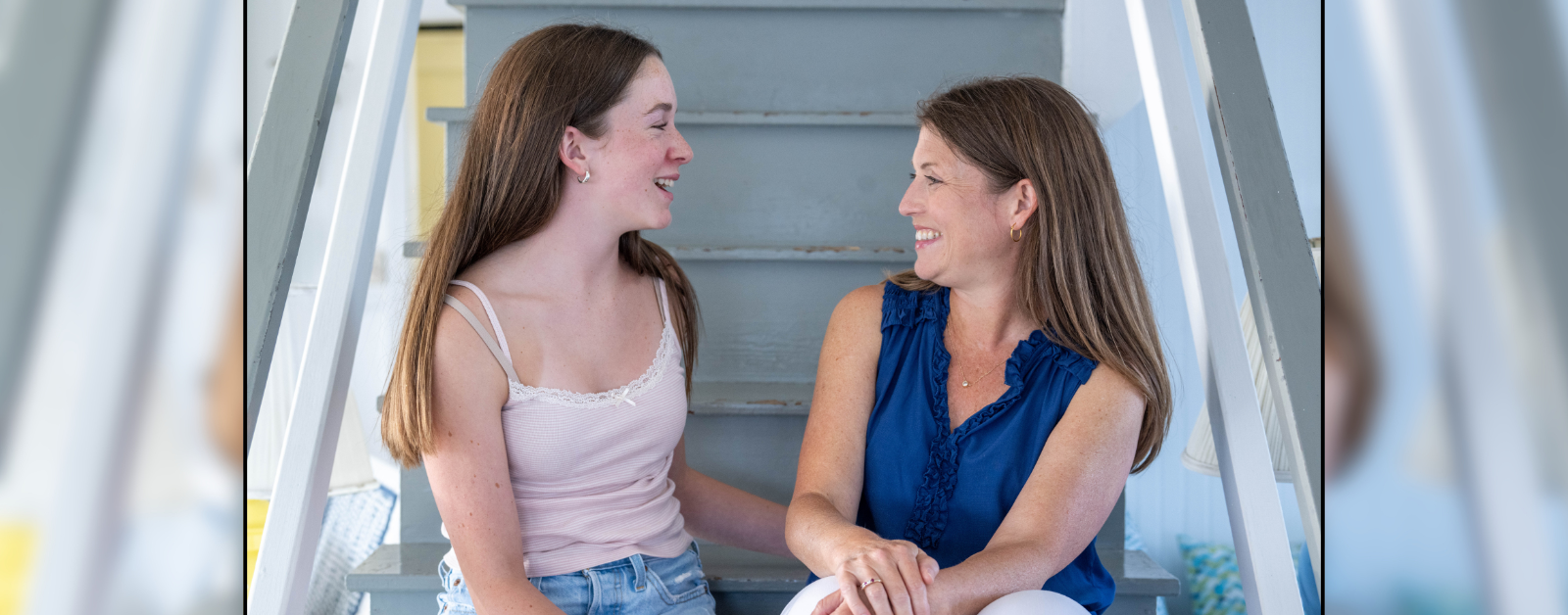
But as we cleared the dishes, Marilee asked if I would watch the next episode of the new Little House on the Prairie with her. I said yes. We sat through fifty minutes of this new adaptation of Laura Ingalls Wilder’s series, not only sharing the experience of the new version of this show but also moving back in time to Marilee’s childhood, when we read all these books together. At the end, she moved close and put her head on my shoulder. We just sat there, snuggled up on the couch, talking about the show and her life and childhood. Everything else could wait.
It may sound like a contradiction in terms, but in a world as fast-paced and harried as ours, I’m inclined to say there’s a discipline to delight. It is easy to miss the opportunities to be with our kids. I could easily rush through the invitations to listen to the news about their day, laugh at the Instagram reel they want to show me, or have a conversation well past my bedtime about serious ethical quandaries.
It is also easy to be with our kids only to then focus on all the things they haven’t done. I can spend my moments with them pointing out the chores they neglected or the ways they could use their time more productively, the books they could read, the skills they could learn. But if I remember—and pay attention—to what it means to delight in who they are, I’m prompted to slow down, to let go of my to-do list, and to enter into their world for however long they give me access to it.
I learned the discipline of delight, though I didn’t call it that, back when Penny was a baby and a researcher told Peter and me that the most important thing we could do as parents of a child with a disability was to smile at her. Rather than focusing on her deficits—as some doctors, teachers, or therapists might inadvertently advise us to do—he told us to respond to the things that interested her. Pay attention to what she loves, and then a relationship of mutual delight gets established instead of a relationship built of frustration and a sense of inadequacy.
The same is true for all our kids. Now, whenever I find myself worrying in the middle of the night about one of our children, I try to discipline myself to remember what I’m grateful for about who they are. I name the ways they bring goodness and joy into the world. I thank God for how they are made. I thank God for who they are, as they are.
And then, when my fifteen-year-old unexpectedly wants me to share a story with her and reminisce about childhood and consider a road trip together to the Wilder homestead in upstate New York, I’m ready to say yes. The dishes and deadlines can wait.
SUBSCRIBE to my Substack newsletter: amyjuliabecker.substack.com
JOIN the conversation on Instagram: @amyjuliabecker
LISTEN to my podcasts: amyjuliabecker.com/shows/
CONNECT on YouTube: Amy Julia Becker on YouTube
Amy Julia Becker desires to challenge assumptions about the good life, proclaim the inherent belovedness of every human being, and help us envision and build a world of belonging where everyone matters. Amy Julia invites people to reimagine the good life through her writing and speaking on disability, faith, and culture. She is the author of several books, including To Be Made Well, White Picket Fences, Small Talk, and A Good and Perfect Gift. She is a guest opinion writer for national publications and hosts two podcasts: Take the Next Step and Reimagining the Good Life. Becker is a graduate of Princeton University and Princeton Theological Seminary (MDiv). She is a member of the Disability Ministry Network and the Alliance for Disability Justice and Ethics in Reproductive Genetics. She lives with her husband and their three children in western Connecticut.