I learned a new word, and I love it:
DUGNAD: A uniquely Norwegian cultural concept that refers to a collective coming together for community, voluntary, and unpaid work. It involves neighbors gathering to improve their shared environment.
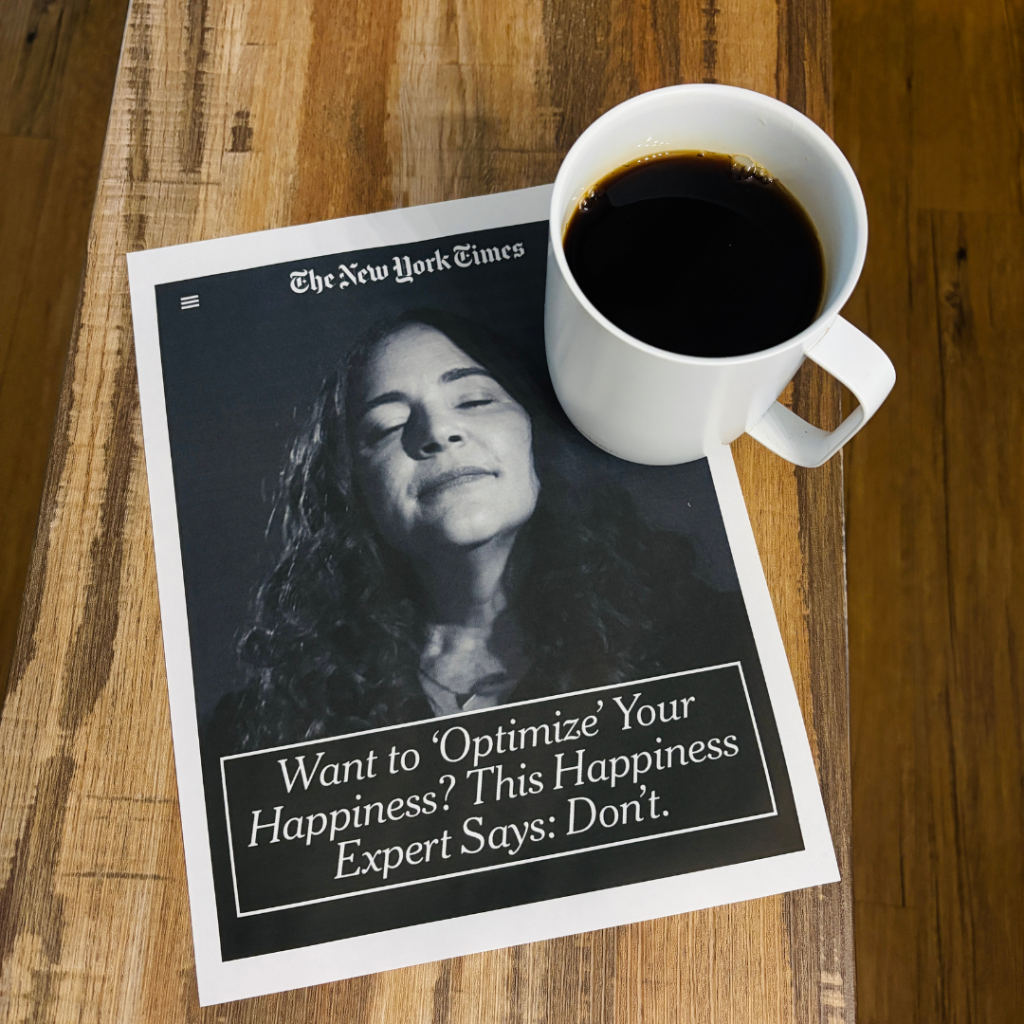
Our local community got together to clean up a beach, and someone visiting from Norway told them that she hadn’t ever seen Americans having a dugnad. We need more dugnads. Maybe that’s one reason I was fascinated by a podcast conversation with Laurie Santos at Yale’s Happiness Lab. She talked about two kinds of happiness:
Hedonic happiness:
Personal pleasure.
Eudaimonic happiness:
Broader pursuit of “the good life” and holistic flourishing.
We may assume that people who pay attention to social problems must be discouraged, frustrated, or overwhelmed, but I was fascinated to hear that, in general, the people who work to change structural problems are happy, not depressed.
In other words, happiness doesn’t make us complacent or self-obsessed. It leads us to care for others and seek to solve social problems. Yes, maybe we need more dugnads—people showing up together, caring for a shared place, and helping one another flourish.
Explore further…
Whether we’re caring for our neighbors, raising children, mentoring students, or following an unexpected path, flourishing often comes not from getting exactly what we planned, but from receiving the life we’ve been given and offering it for the good of others. Listen to my conversation with Karen Swallow Prior: The Life You Planned vs. the Life You Got
SUBSCRIBE to my Substack newsletter: amyjuliabecker.substack.com
JOIN the conversation on Instagram: @amyjuliabecker
LISTEN to my podcasts: amyjuliabecker.com/shows/
CONNECT on YouTube: Amy Julia Becker on YouTube
Amy Julia Becker desires to challenge assumptions about the good life, proclaim the inherent belovedness of every human being, and help us envision and build a world of belonging where everyone matters. Amy Julia invites people to reimagine the good life through her writing and speaking on disability, faith, and culture. She is the author of several books, including To Be Made Well, White Picket Fences, Small Talk, and A Good and Perfect Gift. She is a guest opinion writer for national publications and hosts two podcasts: Take the Next Step and Reimagining the Good Life. Becker is a graduate of Princeton University and Princeton Theological Seminary (MDiv). She is a member of the Disability Ministry Network and the Alliance for Disability Justice and Ethics in Reproductive Genetics. She lives with her husband and their three children in western Connecticut.