REIMAGINING THE GOOD LIFE PODCAST
S10 E4—Do you ever wonder what your life would look like if you had made different decisions a long time ago? Author Karen Swallow Prior joins Amy Julia Becker for a conversation about regret, human limitations, and her experience of not having children. Together, they explore what it means to face the losses of the past while remaining open to the unexpected opportunities and possibilities that can emerge alongside them.
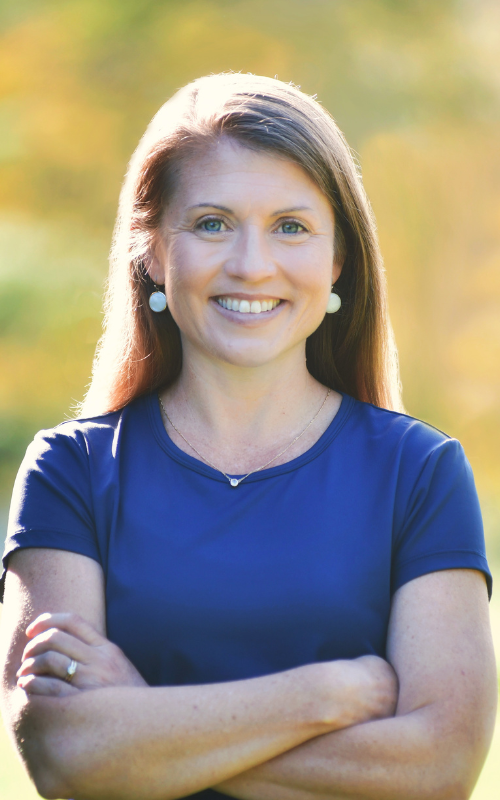
Karen Swallow Prior, Ph.D. is the 2025-26 Karlson Scholar at Bethel Seminary. She is a popular writer and speaker, a contributing writer for The Dispatch, and a columnist for Religion News Service. Her writing has appeared in The New York Times, The Atlantic, Vox, The Washington Post, Christianity Today, and many other places. Her most recent book is You Have a Calling: Finding Your Vocation in the True, Good, and Beautiful (Brazos 2025).
CONNECT with Karen: karenswallowprior.com
00:00 Introduction to Personal Narratives
04:22 Navigating Infertility and Ethical Dilemmas
07:10 The Role of Faith and Community in Decision-Making
11:01 Control, Risk, and Reproductive Technologies
17:30 The Intersection of Calling and Life Choices
20:57 Navigating Regret, Limits, and Choices
25:07 Historical Context of Childlessness
29:07 Imagination and Reality in Family Dynamics
37:25 Reimagining the Good Life Without Children
MENTIONED IN THIS EPISODE:
SUBSCRIBE to Amy Julia’s Substack: amyjuliabecker.substack.com
WATCH this conversation on YouTube: Amy Julia Becker on YouTube
JOIN the conversation on Instagram: @amyjuliabecker
LISTEN to more episodes: amyjuliabecker.com/shows/
Note: This transcript is autogenerated and does contain errors. Please check the corresponding audio before quoting in print.
Amy Julia Becker (00:05)
Do you ever wonder what your life would look like if you had made different decisions a long time ago.
I’m talking with Karen Swallow Prior today about regret, human limitations, her own experience of not having children, and the possibilities that emerge when we face the losses of our past and the opportunities that even come alongside them. I’m Amy Julia Becker, and this is Reimagining the Good Life, a podcast about challenging assumptions, proclaiming belovedness, and envisioning a world of belonging where everyone matters.
Karen Swallow Prior is a contributing writer for The Dispatch and a columnist for Religion News Service. She has written for The New York Times, The Atlantic, Box, The Washington Post, Christianity Today, and countless other places. Her most recent book is You Have a Calling: Finding Your Vocation in the True, Good, and the Beautiful. And today we’re also talking about a recent essay she wrote for Christianity Today. I’m glad you’re here, and I hope you will enjoy this conversation with Karen Swallow Prior.
Hello Karen and thank you so much for being here today.
Karen Swallow Prior (01:14)
Hi Amy Julia. Always good to talk with you.
Amy Julia Becker (01:17)
So we’ve talked on this podcast before, and it’s always been about books that you’ve written, but I have you here today ⁓ to talk about an essay. And it’s an essay that comes out of your personal life more than your scholarship, although your scholarship comes up in it. ⁓ it was an essay you wrote for Christianity Today called The Birds and the Bees, Babies and Me. And you tell your own story, and it is a story about marriage and children and fertility.
And I just wondered if we could start our time with you retelling that story here so that listeners can join into ⁓ this experience and conversation.
Karen Swallow Prior (01:55)
Yeah, no. So ⁓ so the story is ultimately about ⁓ the fact that I never was able to have children. ⁓ and the title kind of comes from ⁓ my long ⁓ history of loving animals and working with animals and and being exposed to the birds and the bees from early on and thinking about ⁓ those matters in pretty mechanical tech technical terms, like it’s just these are the facts of life and
marrying young, just assumed that the birds and the bees would work for me. ⁓ and when that didn’t happen, I wasn’t worried because I was still young and I had a pretty rich, abundant life, was pursuing an academic life and still just assumed that it would happen. ⁓ and, you know, all these years later it did not. And in but in between, ⁓ and and it you know it listeners should know that I’m I’m of a certain age. And so
⁓ so that means that when I was going through this, which would have been in, you know, roughly ⁓ the late 80s and 90s, there was talk of infertility and reproductive technology, but not in the way that we see now with the internet and publishing, where the it’s so easy to access communities that are sharing similar things that you’re going through. ⁓ but I also be and those are the ages that of
very early reproductive technology that for me was just ⁓ fraught with all kinds of moral and ethical issues. And so my husband and I just decided early on we were, you know, after diagnosing and treating my endometriosis, which seemed to be the underlying cause, that we weren’t going to pursue more technologies than that. ⁓ And so we just went on and went out with our lives and ⁓ and I had had and still have a rich and full, abundant life.
but that doesn’t mean especially you know, that then and especially now, ⁓ approaching, you know, retirement or near retirement age and and thinking not only about the children that I didn’t have, but the grandchildren I don’t have, ⁓ and the losses that that entails, but also just the life I have that I would certainly not have had if I had had other if I’d had children or other responsibilities. ⁓ it just would have been a different life. And
So that was the gist of the of the story. ⁓ but you know, there’s a there’s a lot there to unpack.
Amy Julia Becker (04:23)
Exactly. Yeah. Thank you so much for giving us that synopsis. I let’s go back to just this ⁓ the ethical and ph physical, theological, you know, all the concerns that y even back in those days for you and your husband, ⁓ you might have encountered and kind of being told, Okay, you know, we think we fixed the problem, you know, so to speak, in terms of the endometriosis. And then, you’re still not getting pregnant. Okay, well, we’ve got other options here.
What were the questions you were asking? ⁓ I know you’re not here to pronounce what other people should be doing or choosing, but how did you all walk through a process of decision making around reproductive technology?
Karen Swallow Prior (05:05)
Yeah, so ⁓ again, this the the time period is is helpful to keep in mind because there just weren’t as many resources available or as readily available in terms of working through these. So we largely did it alone and because we had both ⁓ you know, ⁓ actually in in our adulthood, ⁓ come to pro life convictions, ⁓ we did not want to do anything that would ⁓
entail ending a pregnancy intentionally. and yet beyond that, what we were seeing in those days, and I mentioned in the article, these were the days of, you know, afternoon talk television was big and and a big feature of many of those shows, it seemed like were all of the, you know, the the quintuplets and the septuplets that would be paraded on the shows in their their matching dresses and bow ties and so forth. And the stories would be about ⁓ you know
the the tremendous ⁓ dangers the mother might have been put in as she was carrying a multiple pregnancy, ⁓ pregnancy reductions, ⁓ time of of the of the newborns spent in in intensive care. ⁓ you know, they were sensational, dramatic, ⁓ and sometimes feel good stories, but yet there were so many risks involved. And that was one of the things I thought, you know, ⁓ these children are are great blessings, but I we just didn’t feel like we should
intentionally undertake those kinds of risks to myself, to potential children. ⁓ and again, these are complicated issues, but for us without having a lot of resources, without having read reading a lot about it or even talking about it with with my church, ⁓ our church community, ⁓ we just said, you know, we just we fixed the problem that we thought was the problem. Right. And then we just said, we will, you know, we will leave it in the Lord’s hands. ⁓ He is the
you know, giver and taker of life and that may be simple, ⁓ but that was kind of how we worked through it.
Amy Julia Becker (07:10)
Yeah. And so it’s I mean, I know you talk about this a little in the article as well, but maybe you can say a little bit more about not feeling like you had resources available to you ⁓ other than these kind of medical resources, right? And that you all were somewhat alone to make decisions about this pretty both fundamental ⁓ I mean, it’s a big deal, right? To make a decision or a series of decisions around trying to get pregnant or not. ⁓
Right. Whether that is the old fashioned way or not. That’s still a big deal decision, right? Right. And then also to if we look kind of at the history of Christianity, it’s not as if there are no babies involved, right? Like it’s not like there’s I mean, there’s no direct guidance about in vitro fertilization. But there also is a lot that ⁓ the Bible might have to say about these matters. So I’m just curious how you reflect back on not having
access to those types of resources. Is that just like a failing within our churches? Like where where do you think that comes from?
Karen Swallow Prior (08:17)
necessarily think it was a failure. It really was a different time. ⁓ in again, and it was this pre I’m sure the internet existed, but I didn’t know about it or wasn’t using it much, right? ⁓ and and it was, you know, the the th these were times when technology and medical ⁓ progress were was taking off and ⁓ so things were happening but
things that I was see was seeing the technology that I was seeing, such as fertility drugs, which would would have been the next step for me, ⁓ according to my physician. ⁓ but those are the things that were resulting in these, you know, these these high risk pregnancies. So that was off the table. but another thing is simply that and this is I I mean this is what I think makes my story kind of particular is not only the the time frame where there those resources weren’t available, because
⁓ I was I was going to school. I was continuing school and I had a busy life. ⁓ I think that most of my friends and family, thank goodness, were not the kind of people who would pry, or maybe I was the kind of person who sent vibes, don’t pry. ⁓ but they weren’t asking me and my family wasn’t pressuring me, like, when are you gonna have children and all these things? So I wasn’t getting those questions, thank goodness. I would have not been happy to have those questions. ⁓
And so but so that we weren’t having those conversations. And I think a lot of people actually later on ⁓ as we started to share our story, a lot of the people close to us just said, we just assumed you weren’t trying, you didn’t want children or you were waiting. That’s that’s what they assumed. ⁓ which again was because we weren’t talking about it. And so but but it is true that ⁓ you know, we I wasn’t striving. We weren’t striving. We weren’t I wasn’t ⁓
you know, grieving or mourning or lamenting. I was disappointed. I was then but I, you know, I guess ⁓ you know, I I I I just knew and and I don’t take credit for this. I mean, ⁓ there’s an understanding that that faith is a gift. And I feel like I’ve been given a great deal of faith that is not of my own making. And I just ⁓ I just
Amy Julia Becker (10:13)
Helpful.
Karen Swallow Prior (10:34)
Trusted God. I trusted the Lord not only with this, but with my life and with the other opportunities he was putting in front of me. ⁓ so I wasn’t talking, you know, I wasn’t talking about it. ⁓ I I was I was watching afternoon ⁓ television, obviously, ⁓ those those horror stories. but it was just something that we quietly put in the Lord’s hands and then just ⁓ you know, proceeded with the with the opportunities that he did put in front of us.
Amy Julia Becker (10:41)
Mm-hmm.
I’ve two different ⁓ ways to walk forward from what you just said, and I’m deciding which way to go. And and I want to ask about this first. We’re gonna do both. But the first is I’m struck by the fact that you in looking at kind of the technologies available, the you know, fertile fertility drugs, really were l assessing a a risk scenario and saying, I this risk just does not seem wise, right? for us to take under these circumstances, etc.
I’m also wondering about ⁓ how the ⁓ kind of ethical issues surrounding control, whether those came into your decision making, ⁓ that is how where I have thought a lot when it comes to reproductive technologies, including birth control, right? I mean that it literally it’s in the title, right? To be controlling ⁓ when if and when I get pregnant.
And then because I think specifically or particularly because of having a child with Down syndrome, after Penny was born, I had a doctor who said, Well, we could do pre implantation genetic diagnosis. You could you and your husband could instead of kind of getting pregnant the old fashioned way for your next baby, you could create an embryo and we could see whether that embryo has Down syndrome and implant or not, depending. And and we said no to all of that. ⁓
And I did I did have a real sense of not wanting, in the case of like the pre-implantation genetic diagnosis, not wanting to control the babies I would or would not be given. I didn’t know what was going to come from there. ⁓ I also had a real sense of not wanting to pass judgment on many friends who have gotten pregnant through IVF, not with the pre-implantation genetic diagnosis part, but ⁓ and yet recognizing that when we start
I don’t know, controlling life in labs, it can have dire consequences, probably not individually, but collectively. So those are just some of my own thoughts about I don’t know how to approach this, but I wish we would talk about it more and ⁓ and offer young women and men who are ⁓ thinking about families more guidance and care in those decisions. So I’m curious whether control was a part of how you and your husband
thought about these things and whether it is now.
Karen Swallow Prior (13:21)
Yeah, and I think that’s a really useful thing to think about in our individual experiences and as you suggested in our in our sort of our our culture. It’s a very modern, we might say late modern capitalistic consumeristic mindset that that not just I mean, we often don’t even think about it. It’s not even necessarily intentional, but we’re so accustomed to having so much control ⁓ that we often don’t realize how much ⁓
we are exert how much control we are exerting and how difficult it can be to step back and and not do that. ⁓ and so ⁓ I I was, you know, and to be candid, I was ⁓ having been raised entirely Protestant and ⁓ Baptist, ⁓ I was wrestling with the questions of of birth control during those times as well. you know, is it something that the Catholic Church is has had a a a very rich and
robust ⁓ teaching, not just on birth control, but a holistic approach to human life and human dignity and sexuality and how all those things do go together. ⁓ we have tended, you know, in in late modern American Protestantism, again, I’m speaking in general terms, but just to sort of compartmentalize a lot of things. ⁓ and so even the compartmentalizing is I think a tool that we use to control
or to try to control ⁓ when we don’t know ⁓ even when we don’t know it. ⁓ but to tie that to risk, of course we’re taking risks every day when we get in our car and drive down the road or get in an airplane. ⁓ I’m probably a, you know, I a a risk averse person in in most ways. ⁓ and and yet I recognize that, you know, that we are we are taking many risks. And so to me it comes it does come down, ⁓
in terms of the risk to intention. Like if we kind of know that we are taking ⁓ a really big risk ⁓ that has could have staggering consequences. Like for me, my conscience says no. ⁓ and then but the but then then we come back to the control. We c we can’t control it all. We have to we have to hold it. and when it comes to to human life ⁓ and the gift that it is, I think
I think we would just be, you know, we we just ⁓ we don’t control as much as we think we do, and we are trying to control more that we can than we can in general. ⁓ again, I’m talking about on a on a wide cultural scale. and it’s just something we all have to wrestle with individually in our own context.
Amy Julia Becker (16:07)
Yeah, it makes me think about the ⁓ I there’s a lot of new technology ⁓ that in is about kind of picking I mean there’s an ad campaign right now that one of the genetic companies ⁓ has out there that says pick your best baby and it has you know portraits or kind of a lineup of these really beautiful happy babies and
Just the thought that y knowing the genetic profile of a child and the predictions about their height and, you know, eye color will somehow tell you something definitive about who they will become. ⁓ gosh. And and that you would know who you wanted ⁓ from an you know, a screening test is one of those things that as a parent I’ve I’ve started
I I am incredibly skeptical of even the premise, like ⁓ the idea that we would want to pick a kind of select ⁓ traits ⁓ as opposed to receive. And you write about this in the essay, just receiving the gift of children and being able to have a posture of ⁓ humility, I guess, in the face of ⁓ the gift of life that we all experience in encountering each other every single day.
⁓ so anyway, I just I appreciate you just ⁓ musing with me about risk and control. And I wanted to turn though to okay, this sense you said, like, and meanwhile, I was writing and teaching and growing as a human. Like you had a sense of calling that ⁓ went in different directions maybe than you expected, but also you did have a sense of calling.
calling in your life throughout this period of wondering whether or not you were going to get pregnant. And I wanted to ask if you could speak about ⁓ just what your sense of calling was and how that may have affected the way you approached the ⁓ yeah.
Karen Swallow Prior (18:05)
Yeah,
no, I think that that is a that is a key. And and if I actually want to connect my answer to that question, just to what you were saying earlier about the, you know, choosing sort of the biological genetic makeup of your child. This this goes back to ⁓ the opening of my essay and even the title. ⁓ because I did work, you know, I did have animals and I worked on a couple of horse farms where we bred horses. And so obviously we were being very selective the
the choosing which horses get bred and we were using artificial insemination. I mean, it was very mechanical and technological. And doing that actually, I mean, w the reason why that was so made such an impression on me in terms of my own experience is because you know, I I love animals a great deal, but I but they are not not human beings. Whatever it is that makes us human, you know, for me I I believe it’s the the image of God in us. Whatever the
means or however that we we interpret that, ⁓ we are different from animals. And so so for me, ⁓ we’re giving up a lot of whatever it is that makes us human when we’re trying to treat ourselves as merely animals. I mean we we we are biologically animals, but there’s something more. And so actually calling, being able to sense calling and be called and fulfill a calling is one of those things I think part of
being human. ⁓ and so yes, I was ⁓ you know, all the time trying to get pregnant and we my husband and I always just sort of assumed that we would end up adopting children if we didn’t have children of our own of our own or or in addition to, we were both very pro adoption. But in the meantime, as you know, I getting my first full time academic appointment, ⁓ getting promoted, getting ⁓ responsibilities and then beginning to write and get published, you know, things I was trying
to do, but not not really striving for. ⁓ and so it was really almost at ⁓ the very moment where where there was almost like a fork in the road where my where I was getting my first sort of major publishing opportunity for to publish a book. And my husband, who’s just he’s like five years older than me, and you know, we’re we’re both he’s feeling more at the age like if we’re we’re if we’re gonna adopt children
you know, we need to do it now, you know, pretty pretty soon, you know, because we’re getting older. And I just ⁓ I just felt the calling was down the other path. And I just like it because I had not because I just feel like those opportunities also came from the Lord. And I’m not the kind of person can who can do everything or wants to do everything. ⁓ and so I just took the opportunities that were already there. ⁓ and we went we went down that path.
Amy Julia Becker (20:58)
You know, I’ve been thinking a lot about ⁓ and and I think you and I are of similar age, just both we can call ourselves like midlife
Karen Swallow Prior (21:05)
Think I’m I think I’m a little older, but that’s all right.
Amy Julia Becker (21:07)
Older a little older, but still. ⁓ I’ve been thinking a lot about regret because I did feel like I I actually wrote an essay about this recently, but ⁓ felt like I got into my
Karen Swallow Prior (21:19)
I read that one. I read. Yeah, I did, yeah.
Amy Julia Becker (21:22)
I felt like I got into my forties and kind of looked back and was like, wait a second, I didn’t know I was closing all those doors. And on the one hand, there was just this like deep sadness and a little bit of like, hold on, hold on, nobody told me. But then I think what the has all happened over the course of these, you know, this decade of my forties has been a recognition that yes, what I first experienced only as loss, I now experience as more of a just acknowledgement of limits.
that ⁓ yeah I I couldn’t do all the things. There were doors that had to close if other ones were going to remain open. And so, you know, after I wrote that essay and I said, you know, I didn’t get a PhD and I didn’t become a school chaplain, I had all these people who were like, it’s not too late. You can still do it. And I was like, no, no, I get that. But like given the constraints of my life, I can’t and I receive that. You know, it it so but it’s it still feels like a loss.
And it also feels like a gain because I love the life I have been given. ⁓ and yet there also were choices along the way. And I appreciate you even saying that. Like we had a choice when it came to adoption and we ended up in conversation with the Lord, like having a sense of calling to a different path, which involves loss and limits and great gain as far as the life you have been able to lead. So I know our stories are very different and yet
They also to me there’s some parallels in terms of just recognizing part of our humanity is ⁓ learning to accept our limits instead of ⁓ feeling like somehow we can overcome them all.
Karen Swallow Prior (23:04)
Yeah, yeah. You know, I think the young people call this FOMO. I don’t know if they call that this this that anymore, fear of missing out. I mean, but there is a real sense. We’re in all of our lives, we’re making choices. Whether, you know, whether it’s choosing one party on a Saturday night or another. Yeah. And we can’t do both. That’s a trivial example. But in in bigger matters, we’re we’re always doing that. ⁓ you know, I there was a fun read that I had a few years ago. It’s it’s it’s not a great book, but it was interesting. The Midnight Library.
yes. ⁓ yeah. Which is kind of the story of what would my life have looked like if I went down this path and was stayed in this relationship. ⁓ I mean, th that that is what we’re all we’re all doing. ⁓ and yet I, you know, I I you know, I and I don’t believe in, you know, the the theology that teaches that, you know, God has a perfect plan for our life and it’s our job to sort of figure it out. And if we don’t, we mess you know, we’ve really missed it. ⁓
I believe that, you know, that that we could we we need wisdom and discernment and we can choose one good thing and have good outcomes and we could choose another good thing and have good outcomes. There will will be will there will be risks and disappointments all along the way. and I yeah, I guess I’m someone who again just was never able to even pretend that I could that I didn’t have limits. So ⁓ so yeah. ⁓
I I could not do everything and really just ⁓ and just ⁓ had a sense of of what I was being called to. And so the you know, of course you wonder what how things would have been if you made a different choice. But I can’t say that I have regrets because I I do believe that I that I made the you know, followed the calling that I was called to. And that does entail loss ⁓ and risk. but it it’s brought a lot of good things too.
Amy Julia Becker (25:01)
that. Thank you. And I’ve I really loved the Midnight Library. It came into my life in the midst of these questions in a way that was really so I’m I’m with you on that. one of the things we talked about a little bit before we hit record that really struck me in your essay was just a little bit of kind of the historical background of childlessness and that ⁓ you learning like it’s actually not as uncommon as we might think it is. So I could you give us a little bit of that history and also
⁓ whether that ha has changed or not in our contemporary moment.
Karen Swallow Prior (25:37)
Yeah, it was interesting. And I didn’t, you know, I had a sense of it, but I didn’t really know until I dove into the numbers. And there’s a lot of conversation around these numbers right now because we are nationally and globally experiencing a population decline. Right. And it’s a pretty, you know, it’s a pretty dramatic one that has implications for all of us. Like, you know, in my little rural area, we’re we’re running out of healthcare providers. That’s not fun. but you know, so so there are implications, but if you look at the statistics.
population rises and falls and fertility rates rise and fall. and there’s, you know, we we’re all familiar with the term the baby boom generation. Right. Well, the baby boom boom generation, it was a boom because it was so it was so exceptional. ⁓ and before the baby boom, there was a very ⁓ I let’s see, I’m I’m not good with num yeah, I high
infertility rate. ⁓ so yeah, so so fewer children being born. And so it ba you know, roughly twenty and in other times twenty-five percent of adults fifty or older are are childless, if I’m remembering the numbers correctly. So look you know, roughly a quarter ⁓ at times of of of adults. and so it’s definitely a minority. ⁓
Ur I hope I’m saying that. It might be like one in I’m not good with numbers. It might be like one in twenty versus one in twenty five, which is not the same thing as twenty per whatever the number is.
Amy Julia Becker (27:11)
I’m pretty sure from your essay it was twenty five percent.
Karen Swallow Prior (27:13)
Right
right. I think that’s all right. Okay. All right. Well, you you listeners can Google it. Don’t, don’t, you know, don’t but it’s really it was it was more significant percentage wise than than I even realized. ⁓ and so again, even though it’s still a a minority, it’s still like a n it’s still normal. It’s still a normal part of every culture and every civil civilization.
with little, you know, dips and rises in those numbers. ⁓ and when I was looking at those numbers, I was looking back and thinking and and inviting readers and now listeners, look around your churches and your neighborhoods and your families and look at you will find those older childless couples or singles that never talked about it but just kind of are were there.
⁓ maybe you don’t know their story. They never shared their story. I have so many of those in my life, ⁓ in my family and church life. ⁓ and you know, now we we do talk about those things more, but in in in previous times we didn’t. And yet they were still those those people were still there, childless, serving, being part of community, ⁓ and being just normal, normal people, part of our, you know, our variety of of of life and ⁓ family.
forms and ⁓ hope yeah.
Amy Julia Becker (28:39)
So
this is a a quotation from that part of the essay. Childlessness doesn’t need to be normalized because it is, in fact, if not in understanding, already normal. And I was saying to you ahead of time that I ⁓ really feel similarly about the experience of ⁓ especially having disability within a family system where one out of four households, so a similar number, has someone in the household with a disability. And so you’re like, that’s like
A lot of us. But yeah, it’s pretty normal. And so the fact that we think and talk about this as if it’s like this aberrant experience, ⁓ or exceptional experience, you know, it’s it’s just not true. And I cu I’m curious about like what you think, ’cause I know you do some work in like the the imagination, just how does the story we tell about having children affect all of us and affect you know, and perhaps affect you personally in in
Karen Swallow Prior (29:09)
Pretty normal.
Amy Julia Becker (29:38)
how you’ve navigated this aspect of your life. Hmm.
Karen Swallow Prior (29:42)
Well, I mean, our imaginations are so filled by the stories. And when I say stories, I don’t mean you know, I mean the stories we read obviously but the movies and the commercials and the myths that surround us. And though i I love the imagination. I love stories and myths and and films, but those dis those sort of larger than life distorted images that fill our imaginations are are by definition not really rooted in reality. ⁓ so so in other words.
the what we see projected around us most of the time is already a distortion. And so we it’s but that forms our imagination often more than than the reality that’s n next to us living and breathing. And so we carry around in our head this picture of what families should look like, what what children should look like, what our lives should look like. I mean, this goes beyond even this topic, even just sort of what what are our
career path and what success will look like is something that we imagine in a story we tell ourselves based on distorted images out there. And so then when it doesn’t match up, when our life doesn’t match up in whatever way to this thing we’ve imagined, this fantasy that we’ve created without even knowing that we’ve done it, then it seems like we’re experiencing something that is, you know, some aberration when in fact it’s really not.
⁓ and that’s a so interesting. And then and then we get down to the terms and the labels we use, which are very modern, like disability. Okay, so what qualifies when does one qualify as having a disability, you know, being in put in that little category? Category. Yeah. I’m sure you I’m sure you know you have more you have lots of answers to this question, but even from the outside, I’m saying, okay, so when do you get put in that? When do you get to check that box?
When and and so we have a lot of boxes we like to check and then everyone gets divided accordingly when so many so much of our life experiences and our families and our and our personalities and and our abilities and disabilities are are are rich and textured and on a spectrum. ⁓ but in modern life we like to have boxes that we can check and categories that we can use. And th those can be helpful. I I’m not I’m not anti category ⁓ or act anti category.
labels and terms that help us, but we have to realize that those they they are tools. they are not the things that should define us and ⁓ set our expectations.
Amy Julia Becker (32:13)
So this is another quotation ⁓ from around this part of your essay. We need imaginations that make more room for the resources for excuse me. We need imaginations that make more room for the reasons for childlessness and more importantly for the childless people among us. We need structures, institutions, and policies that do the same. So I’d love to talk a little bit more about ⁓ imaginations that make room for these reasons. Like what would it take for those imaginations to be shaped differently?
And then also the structures, institutions and policies, because I do think those actually shape each other. Our imagination shape the structures, institutions and policies, which then shape the imagination and on it goes. So ⁓
Karen Swallow Prior (32:53)
Yeah,
yeah. And I’m not a policy wonk, but I you know, I I I ha read a lot, so I have some ideas, ⁓ and and some examples. I’ll I’ll I’ll point first to one example that again is just is just so prominent in the in the current discourse in the context of the population decline and the ⁓ and the number of younger people who are not marrying, not having children, not starting fan families of their own and and
you know, so many people are criticizing them and s trying to figure out what’s wrong with them that they’re not doing this when, you know, you know, a lot of ⁓ people who know a lot more are pointing to the economy and to the student loan debt and to the lack of housing and like like like you if you don’t have these things that you imagine are necessary to have a family and and maybe they are, maybe they aren’t, but
But because for generations those things were part of the package and this is how you imagine it looking and you can’t achieve that thing in your imagination, then there are going to then that that would be, you know, you don’t you can’t see this story for yourself and that’s magnify that many, many times for you know, something that’s happening across the culture. And so ⁓ for so in that in that example, I’m I’m suggesting two things. Let’s imagine some some
big reasons why young people feel like they can’t do this and aren’t doing this. And then young people, let’s imagine how life and life together might look different ⁓ and could look different than it did for your parents and their parents and their parents before them, you know, because things don’t always look the same. And then ⁓ in terms of of the reasons for childlessness. And I don’t really get into this in this in my story because it’s I’m telling my own story.
⁓ so I don’t get into the difference between intentional childlessness or chosen childlessness or in my mine, which was the result of infertility. But ultimately, ultimately, I still chose it. Right. Right. Right. So, ⁓ so there are lots of I I think I do mention this briefly. There’s so many contingencies that lead to childlessness that again, we almost can’t break it down into the two or three cat, you know, child
intentionally childless or unintentionally childless. Like there are just so many like what if the person, what if the woman who’s in her 50s had chosen not chosen to break off that engagement with that, you know, guy that, you know, really just wasn’t quite yeah. you know, didn’t quite pass muster. Like, what if she had she would then she wouldn’t be childless? Well, there are choices, right, that are made all al you know the midnight library again. So again, imagining just
how many contingencies there are, how complicated things are, and recognizing ⁓ that the answers and the resources we provide are going to require creativity and imagination too. I I I love the stories I read in the news now and then about how ⁓ how ⁓ y ⁓ some places in Europe are turning senior housing into mixed age housing. Like, you know, so college students can
you know, can live there for a while while the older people live there. And and that’s a way, you know, of of of bringing more familial type support to people who, for whatever reason, don’t have ⁓ a traditional ⁓ nuclear family that they live in. So there are ways so, you know, the the realities that childless people will face in older age are real. the realities that young people who don’t ⁓ you know can’t
whether they want to or not. You know, they may not want to get married, but even that desire is culturally constructed because they live in a place where that desire is is not ⁓ nourished and ⁓ and and and shown to them in a way that can be fulfilled. So it’s all very complicated. We must use our imaginations and we must stop expecting or assuming that everything about our lives will look like it did for the last generation and the last generation because ⁓ we are
You know, we are creatures of agency and will and calling and ⁓ we get we have the choice ⁓ to make things look a little different when the when ⁓ as our as our world changes and shifts, which it always does.
Amy Julia Becker (37:25)
I have one final question for you, which kind of has to do with the title of this podcast, Reimagining the Good Life. So I’m curious about ⁓ the ways that childbearing ⁓ shapes our imagination around the good life, but then also how your experience might have ⁓ invited you to reimagine the good life ⁓ as it pertains to having children and yeah, family in general.
Karen Swallow Prior (37:51)
Yeah.
Yeah. Well, because I did become a professor ⁓ and taught for you know twenty five years or more in the college classroom. ⁓ I know that I was able to ⁓ be a different kind of presence in my students’ lives. a few, you know, very small handful of them consider me to be ⁓ a mother figure, even a mother that they they never had. And I would not have been able to do that if I, you know, my I were raising my own children.
Of course people do you know, do both, but it there was just a different dynamic because I was able to pour into their lives in in a different way. ⁓ and so ⁓ so I I just think, you know, then I think about the books that I birthed, ⁓ and ⁓ was again, I I it I’m I’m such it’s hard enough for me to write and I’m slow enough. I’m sure I wouldn’t have been able to to accomplish those things while ⁓ while taking care of children. And so ⁓
So not bearing children has allowed me to to find and ⁓ receive other gifts in my life and and and to imagine ⁓ the way in which the world ⁓ you could use those gifts that I wouldn’t have been able to offer if I had ⁓ if I’d had children. And I also have, you know, I I and I talk about this a little bit in the article.
⁓ there are role models for these kinds of of lives, ⁓ especially in the Victorian age, which I studied of the you know, the many ⁓ the you know, the the many women writers who didn’t marry ⁓ for reasons that are largely unknown, some of them known, but they made the choice, ⁓ pr it probably because their choices were so much l more limited than and they really couldn’t do you know, they they were much more constrained. And s yet they lived these fruitful lives and
and ⁓ allowed us to imagine not just their o their own lives but the things that they they wrote about, the changes that they they made, the things that they pioneered. ⁓ they lived lives. ⁓ and there are many ⁓ people in history and even in the Bible ⁓ who who embodied different sorts of lives, lives lives that don’t meet the formulaic expectations.
Amy Julia Becker (39:52)
Fruitful.
Karen Swallow Prior (40:08)
⁓ in fact I think the Bible is peopled primarily by those who do not meet the formulaic expectations. And yet somehow, somehow, I guess because we’re human, ⁓ we always want to be the ones who sort of follow the formula and are are considered the n normal. but it’s you know, normal is a pretty wide range. And I think that’s what I want us to be able to imagine and live out fruitfully.
Amy Julia Becker (40:34)
Yeah, I’m constantly surprised by my own ⁓ desire to get exactly what I want, when I want it and how I want it. ⁓ and my surprise when that’s not what happens. and you know, and continuing to need to really relinquish my sense of ⁓ not just control but also of if I have a desire, then it must be good and it must be ⁓
justice in the world if I get it.
Karen Swallow Prior (41:06)
Yeah, I can I can relate. I I strugg I think most of us struggle with that to some degree. Yeah. Yeah.
Amy Julia Becker (41:12)
Yeah. Well, ⁓ Karen, thank you so much just for your writing and your work, ⁓ in an ongoing sense, but also particularly for ⁓ you know, just telling your story with such candor and vulnerability, but also with clarity. I think that is again one of the things that starts to maybe come ⁓ with middle age is a sense of being able to look back and say, Okay, I actually can see some things now that I couldn’t see before. and so I do hope for
Women who have had similar experiences, ⁓ that might be a bit of a bomb in terms of looking back on the losses, the limits and the great gifts of ⁓ these lives, but also for younger women and men who are making choices about ⁓ family and marriage and children. I I think your words can come as a a gift and a a source of discernment. So thank you ⁓ for offering all of that. I hope so. I hope so. Thank you.
Thanks as always for listening to this episode of Reimagining the Good Life. We’ve got some more great conversations in store for you, including Malcolm Foley about his book, The Anti-Greed Gospel, Craig Thomas about his novel, That’s Not How It Happened, Dania Ruttenberg about her book Repentance on Repentance and Repair. If this conversation has resonated with you, I would love to invite you to subscribe to my Reimagining the Good Life Substack newsletter. You’ll find a link in the show notes and
That newsletter really just extends this work. ⁓ Over there, I’m writing essays and pointing towards links where we also challenge assumptions about the good life, proclaim the belovedness of every human, and envision and build a world of belonging where everyone matters. If you’re enjoying this show, you can always follow it, rate it, review it so others can find it, share it with friends, send questions and ideas to me. There’s a send us a text link at the end of the show notes where you can do that.
And as we come to a close, I want to thank Jake Hansen for editing this episode, Amber Beery, my director of content for producing the show, and I want to thank you for being here and listening. Let’s all keep reimagining the good life together.
my weekly Substack letter
My newsletter delivered to your inbox that challenges assumptions about the good life, proclaims the inherent belovedness of every human being, and envisions a world of belonging where everyone matters
LET’S REIMAGINE THE GOOD LIFE TOGETHER. SUBSCRIBE TODAY!
Get the Free Resource!
An illustrated guide designed to help you identify and create spaces of welcome and belonging—download today!