
TAKE THE NEXT STEP PODCAST
E26 — When your child needs support now, “just wait” isn’t good enough. Chris Cipriano, mom and developmental psychologist, helps parents of children with disabilities move from frustration and apology to confident advocacy. She shares with Amy Julia Becker how to:
Discover how an asset-based mindset can help you advocate for your child and create change that benefits every family.
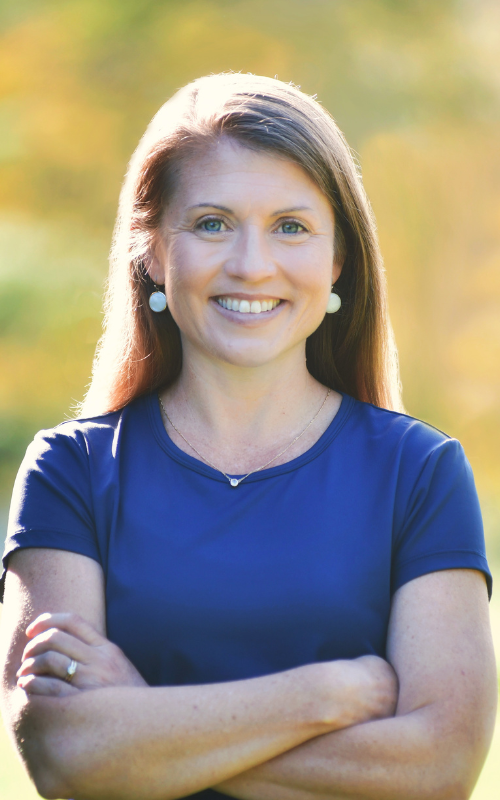
Christina Cipriano, PhD, is the inaugural Joseph W. and Alma W. Keilty Endowed Chair in Education and Professor at the University of Massachusetts Amherst, where she directs the Education Collaboratory at the College of Education. Drawing on her decade of research at the Yale Child Study Center, where she maintains a secondary appointment, Dr. Cipriano’s work advances inclusive and equitable social and emotional learning so all students are seen, served, and safe to learn, in schools worldwide.
00:00 Introduction to Chris Cipriano
02:19 The Concept of Being Unapologetically Impatient
06:32 Reframing Disability: A Different Vantage Point
09:37 Navigating Waitlists and Access to Services
14:31 Building Community and Collaboration
21:07 From Reaction to Prevention: A Mindset Shift
MENTIONED IN THIS EPISODE:
_
SUBSCRIBE to Amy Julia’s weekly Substack newsletter: amyjuliabecker.substack.com
WATCH this conversation on YouTube: Amy Julia Becker on YouTube
JOIN the conversation on Instagram: @amyjuliabecker
LISTEN to more episodes: amyjuliabecker.com/shows/
Note: This transcript is autogenerated and does contain errors. Please check the corresponding audio before quoting in print.
Amy Julia Becker: 00:06
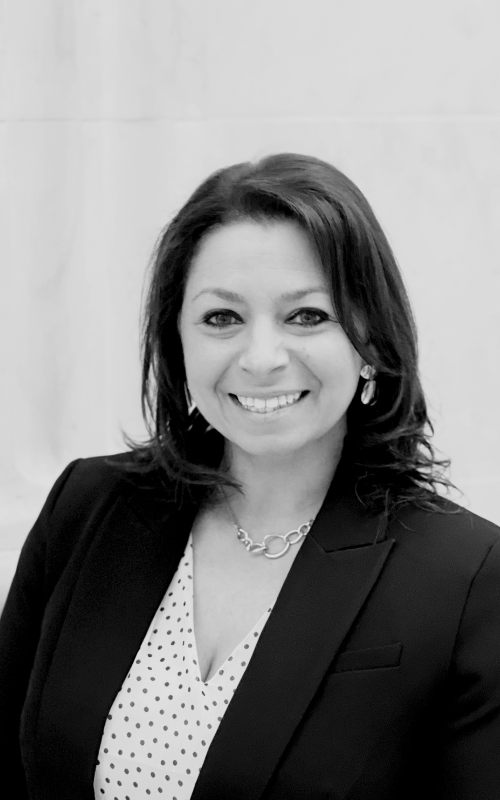
Have you ever wished that the system we navigate for our kids with disabilities could be different? Have you ever had to wait months for services your child desperately needs right now? You are not alone. And my guest today is going to talk with us about what to do when we feel overwhelmed, alone, and daunted by these obstacles to our kids’ care. I’m Amy Julia Becker, and this is Take the Next Step, a podcast for families experiencing disability. We’re part of the Hope Heels Network, bringing you weekly encouragement and practical next steps to help your family thrive. Your family matters, your child matters. We need you among us. I’m talking today with Christina Cipriano, professor at the University of Massachusetts Amherst, where she directs the Education Collaboratory at the College of Education. Drawing on her decade of research at the Yale Child Study Center, Dr. Cipriano’s work advances inclusive and equitable social and emotional learning so that all students are seen, served, and safe to learn in schools worldwide. Here’s my conversation with Chris Cipriano. Chris Cipriano, thank you so much for joining me here at Take the Next Step. Thank you so much for having me, Amy Julia. So you are a professor of, if I’m getting it right from your bio, Applied Developmental and Educational Psychology. You are also the mom of four awesome kids and the author of a book called Be Unapologetically Impatient, which I really appreciated. And so I think the book is actually a great way into introducing you with kind of all of those hats, but I just wondered if you could talk about what prompted you to write this book and what it means to be unapologetically impatient.
Christina Cipriano: 01:50
Sure. I love the question. Thank you. The book is the manifestation of my science in action. And so it is the work of applied developmental and educational psychology, so how kids grow and how they learn, and how to engage at our common humanity in the way that we as parents can connect with one another and understand that when you’re supporting the diversity of needs of your children, like there are certain skills and strategies that we need to bring to the table in order to make sure that their needs are met. And so be
Christina Cipriano: 02:19
unapologetically impatient is referring to kind of two sets of skills. One is like breaking down why we apologize and what that means to apologize for your needs, which let’s just, we can we can spend some time there if you want. And the second one is just is why we must be impatient. What is that urgency? And um I’m fortunate enough to be a momademic. So I have four beautiful children, wildly different needs and strengths and skills. And um, I’ve learned along the way that, you know, there’s what I learned in school, and then there is what I needed to bring forward in my everyday interactions on their behalf, and how I could support them to build those skills as well as they engage in their own self-advocacy journeys.
Amy Julia Becker: 03:04
So you give us a little bit of like the portrait of your family for other families who are listening and who might be wondering, does she really get where I’m coming from? Because you have a range, as you said, of kids, as well as your kind of professional background. And so I think that almost anyone listening would be like, oh, yes, she sees me.
Christina Cipriano: 03:21
So can you tell us a little more? Sure. So um our oldest is uh medically complex. He has a rare disease called Phelan McDerbin syndrome. He’s also, there’s about 3,100 kids in the world with that diagnosis. He’s also autistic um and has epilepsy. And so as he ages, he loses skills. So he currently um we’re really uh really grateful that he’s you know still still with us. So he has a G tube, he’s um lost his oral motor functioning almost completely. Um he lost his speech. He uses an eye tracking device now to communicate, which is beautiful and amazing how we’ve learned to evolve as a family and requires full um mobility supports at this stage in life. And um one of my um, and then I have two boys and two girls, and uh one of our uh daughters is neurodivergent um and has you know her own sensory and attention challenges and needs, so kind of a different end of the spectrum of needs and services. And so um, and all my kids are 14 and under, so we’re like in knit, if you could say, and in that evolution.
Amy Julia Becker: 04:23
Yeah, exactly. So thank you. That’s a great um just again kind of portrait of your family. And I there’s so many anecdotes in the book, but one of my very favorite ones, and this may have shifted since the book was even written, but was when um you all decided that you’d all start your day with a dollop of whipped cream. Um will you just tell that story for a minute? Because again, I think it frames things really beautifully.
Christina Cipriano: 04:44
Oh, thank you. Thank you so much. So um uh, and I’ll try to tell you about it without uh tearing up. So, Miles, um, as I mentioned, he has Fail McDermott syndrome. He um has been losing his oral motor uh capacities, and so um, but he he shows us every day how much joy he has with his eyes, so he can communicate with his eyes. He always has had these beautiful sparkling eyes, and he gets so excited when he sees the whipped cream can. Like he just loves whipped cream and he’s loved whipped cream since the first time he had it as a little kiddo. And, you know, now we’ve kind of evolved to a place in his life at 14 where whipped cream is the only thing he’s getting orally by mouth at this point. And we, you know, decided, um, you know, it’s been a probably about two years that we’ve been at at this phase. And we said, you know, um, well, we’re gonna just give whipped cream at every every offering, anytime, because we’re still so lucky that he gets to, you know, have a seat at our table and we’re gonna have whipped cream. And um, my youngest uh daughter, um, Luciana, she she asked like so innocently, like, why does why does Miles get to have whipped cream for breakfast? And I was like, you know what? Like, why don’t we all have whipped cream for breakfast? Like, what’s stopping us? Like, we can all have whipped cream for breakfast. And um, so anyway, uh, long story short, there’s uh whipped cream’s always on our table and always coming out at meals, and we’re always enjoying a scoop of it. And I um I have had the privilege of having the book kind of be shared across the country and across the world. And the amount of people who’ve told me about how the whipped cream has landed for their house and their family of like, let’s just have some joy here. Like, what are we waiting for? Right? Like, we don’t we don’t need to wait for dessert, we can have it right now because life is not promised.
Amy Julia Becker: 06:18
Amen. I mean, I just love it. And um, I think it leads into my next question, which is just that you kind of explain a difference in how you see disability from some of the other adults in your kids’ lives. And I thought that we
Amy Julia Becker: 06:32
could also just frame this conversation with an expl explanation of that difference between how you perceive disability and how some of even the like well-meaning teachers and therapists in their lives do.
Christina Cipriano: 06:45
Sure. So, you know, I like to think about disability as um a different vantage point. So it provides you with a different way of you know knowing, seeing, navigating, living your world. And many times when you have an identity like a disability identity that’s a part of your who you are, it’s viewed as like a disadvantage. Like people will be like, oh, and they’ll say things to you, they’ll they’ll apologize to you, oh, I’m so sorry, right? Like they’re apologize for your identity. But but what if we you know took our identities and we said, hey, you know, I have a different way of seeing things, I have a different way of doing things, and that is a different vantage point. It’s like a different pair of glasses for how I experience the world. And that means I am offering value. It is value add. I am an asset to all of your experiences and communications and all the ways that we engage, you know, and we so Miles’ needs are regressive and he’s our oldest. And so we we evolved to be, for example, a family that rolls. So Miles uses wheelchairs full-time now, um, you know, mobility supports, and but we didn’t start off as a family that rolled, although most families do, right? We start off with baby strollers and then we kind of evolved past that phase. We we evolved and then we regressed and and we roll. And now I could have written four books, and maybe I will in the future, all about the ways in which the world around us is not designed for individuals that roll to engage on the regular in their life, right? And so once you see it, once you see your lack of access, your lack of opportunity, lack of ability to engage, you can’t unsee it.
Speaker 1: 08:19
Yeah.
Christina Cipriano: 08:20
And that to me is a value add. It’s your different vantage point that you can offer and invite others in. And I talk about in the book and call them in with you and say, hey, you know, this doesn’t need to be this way. Let me show you how we could do this differently. And um yeah, so it’s just a different, uh I have a different frame. And and you know, I I I ground the entire science of the book in the experience of disability, but I bring in kind of across all different other identities that may have experienced um and been put in the deficit. And so I I myself, I’m a um a first generation high school graduate. So my dad only had the opportunity to go to school until the eighth grade. It was like stay in school, you know, don’t be like us, don’t drop out. And um, so I grew up in a household with low levels of education in a low-income household. And that, you know, people would say, Oh, that puts you at such a disadvantage, like on your trajectories of life. Well, actually, it provided me an incredible vantage point for how I see and understand higher. I I’m I’m in higher education now. I see the barriers to access that my students experience, that we can create different ways of doing things and really shift our understanding.
Amy Julia Becker: 09:36
I love that.
Amy Julia Becker: 09:37
And I um I want to get a little bit from the theoretical, which is so important that we have a mindset before we go into the practical. And I think that mindset of kind of assets-based, diverse vantage points, yes, diverse abilities, but also diverse ways of seeings is really helpful. I’m thinking about the number of times in the book when you write about experiencing this painful reality of being put on a wait list when you know that there’s a crucial piece of equipment or services that your child needs yesterday, and you’re being told it’s going to be a year from now. So I wondered if you could just tell us about one of those moments, but also some of the advice you might have for parents who are facing that exact situation, whether it’s a wait list for a piece of equipment or for um a therapy that needs to come into play.
Christina Cipriano: 10:23
Yes. Yes. The wait list. It’s like a um never-ending obstacle course where you’re trying to figure out how to navigate your child’s, you know, evolving needs and specialists and support services. And then you kind of get to the top where you finally get put on the list and you’re like, now you’re going to actually help my child. Like we figure out what it is or what they need or what they would benefit from. And then they give you that answer, like, oh, well, it’s going to be another six months, eight months, or a year, because you have to go through insurance referrals and approvals and you know, all the different processes and build it. So, one concrete example is um my son’s uh eye tracking device. He has a Toby device. And um, when he was found eligible for that, it was like a month process in school where they were like trialing it to see how he was engaging, taking data. They’re like, this is working great. They then sent us home one and they said, now you take data at home. We took data for a month, and he started taking to it. And not just did he start communicating with it, but my other children, his siblings, started seeing Miles communicating, and they were like, This is so cool! Like, we can play a game, like how can we engage? Right. So it opened up communication. And then they said, Okay, well, now the trial’s over, and now here’s what’s next. We fill out these forms, we send them to insurance, we say, You’re, you know, we think your child would benefit from a Toby device. And then they usually deny the request the first time. This is what the therapist is telling me, and I’m sure many parents have experienced this before. That’s their expectation is to get denied the first time. Yeah. And then second time, they’ll put it in, they’ll go through the approvals, and it’ll take about roughly eight months to produce your child’s device. And so I asked them, well, what do we do during that eight-month window? And they’re like, you wait. So can you imagine? Like, you just opened up my child’s ability to communicate with our family, right? And and now you’re going to take it away for eight months is a school year. Like, let’s be realistic. It’s a whole school year. Can you imagine if you told any other kid in the US, like, oh, your child’s Chromebook is broken, but they can’t have one until next school year? Like, what would the pair, right? It just, it’s like completely beside myself. So I I started by saying, okay, this is not the therapist’s fault. Like, she’s giving me the information. I was like, well, let’s let’s start by trying to solve the problem at hand from like the information we know and then we’ll grow. I was like, how how much is one device? And how many kids in his school could possibly benefit from having this like gap device? Like, how many would you need? Right. And we kind of initially started there with like, what do we do to get acquire one device that could kind of get passed around to help families? Because it’s a small, he’s in a small school, specialized program, who fall into this gap. Like it’s not that many kids. Like, can we do that? So we started there. And then I said, okay, now that we’ve solved like our immediate need, um, like this must be a supply and demand issue. Like this must just be something that not enough people are asking for. It must be terribly expensive to build this technology. So I started looking into it. And as I talk about in the book, I was just completely um shocked to see that the science behind the eye tracking device is the same science that’s used in all of our mobile devices when we ski it scans our faces, when we unlock our phones. I mean, you can’t, I don’t know if some of you can see me or you’re listening, but you know, you look at your phone, look at your computer, it opens it up. That’s the same science. And you could actually acquire that, you know, next day delivery on Amazon Prime in its fun form, right? The quest goggles. It’s the same science. But yet, my son who needs this for his basic human livelihood, we’re just expected to wait eight months. Eight months. And his conditions regressive. So honestly, like eight months could be a completely different need and set of needs and skill sets by the time that that would arrive.
Amy Julia Becker: 14:07
So, in this, just to make sure I’m clear, you were able to procure like a loner device for your family and in the process for other families who might need it at your school. Exactly. I mean, I just think that’s the other beautiful thing about this story, and there are multiple examples of this in the book, that one of the things we can offer to each other within the disability community is like, my needs and your needs are not that different. And maybe, again, there’s
Amy Julia Becker: 14:31
an asset-based mindset of like, how can we provide this for one another, be in this together? I just think it’s like really beautiful. Um, and you also mentioned when you were talking about that, that you didn’t like start yelling at the therapist, right? Um, so being unapologetically impatient does not mean that we start blaming and shaming the individuals who are coming alongside us. Um, it actually means something really different. But could you talk about that? Because I think there might be many parents who are like, so I’m supposed to become aggressive, I’m supposed to become accusatory? Like, what about you?
Christina Cipriano: 15:02
No, yes, I so appreciate that. And I mean, and if you’re listening, you like I get I get hot, I get loud, I get like, I we have a lot of I have a lot of big emotions around, you know, my children, my needs, rightfully so. They’re all valid. Um, but we need each other in the disability community, the families communities, like we need each other. We’re not meant to go through this alone, these systems that we’re operating within, we need partners, not opponents. And what happens when you, from a psychological, a psychosocial standpoint, when you yell at someone, when you get aggressive towards someone, when you put someone on the defense, like you put their limbic system on the defense, you yell at them, how could you? What do you mean, eight months? And you right, you let it out on them, yeah, right? On that person who’s the the the face of the injustice in the moment, they’re they’re not the actual injustice, they’re the face of the injustice in the moment, in most cases, who we’re dealing with, right? When you do that, when you put them on the defense, they’re not listening to learn with you. They they switch into listening to win, right? We’ve created we create an opponent and not a partner, and we need a partner to navigate through it. And so I talk about this in the book as the science of calling each other in, right? Using your vantage point, using your words, honoring the affective, the emotional experience that you’re having in your family and your needs. I’m not dismissing them, I’m not apologizing for our needs and our livelihood. I am inviting you and everyone around me in that we can do this better for our family, for all our families. Right. And it’s it’s one interaction at a time. And you know, in the book, Amy Julia, I talk about, right, like all a number of mistakes I’ve made along the way, like how I arrived here, things I’ve said or done, when I’ve, you know, put somebody on the defense. It doesn’t, they don’t help, it doesn’t help my child. It didn’t get them seen, it didn’t get anyone’s needs met. Um, it was me being overwhelmed by the experience. But now I can hear and I can listen for the opportunities to say, hey, it doesn’t need to be that way. And we can do this differently. We can shift the expectation around servicing supports for all of our kids and our families.
Amy Julia Becker: 17:24
I love that idea of being like essentially on a team together in support of our kids and kind of assuming if you are a therapist, a teacher, a nurse, a doctor, like you’re in a helping profession for a reason, as we are as moms and dads and caregivers, like we are here for a reason. And so let’s kind of assume that we want to find a way forward together. Um, and the other thing that came to mind as you were talking was like, um, don’t say I’m sorry, like, don’t apologize for our families, for our kids, but say thank you. Like, thank you that we are together caring for them. It that just seems like um something that would go along with what you are saying about the approach we can have.
Christina Cipriano: 18:06
Exactly, exactly. And kind of when I give the steps of like kind of what to do. So if somebody signals, like, well, this is just the way we do things, or you know, it’s an eight-month wait list, or we have to go through spot. So I signal, you’ve had it, you’ve an injustice has occurred, right? Here’s what you can do. You start by introducing yourself. You introduce yourself and your child if your child is there the way you want to be seen, because if you don’t, um, they’re going to just see you as like a parent or like that parent, that parent who like Googled before they got here, who makes noise on the social media group, or here to start trouble, right? They’re they’re gonna fill in a story around you that may or may not be true about you, right? So who are you? So I often will say, like, you know, I’m Chris, I’m Miles mom, this is Miles, and I will like get down and I will bring whoever it is if we’re like in a public place right down to his level in his wheelchair. And I’m like, it’s Miles, he’s 14, he loves Buzz Lightyear, he understands everything you’re saying. You can talk right with him, right? Because many times we have interactions where people just act as though he’s not there.
Speaker 1: 19:08
Yes, right.
Christina Cipriano: 19:09
So I introduce yourself the way you want to be seen, and then say thank you, right? Thank you for taking the time to talk to me. Thank you for the opportunity to share with you about our experience. I don’t apologize, I don’t dismiss our needs as less than. I say thank you. And then I state the fact that there is no ramp, there is no accessible restroom. We are not able to wait. We cannot wait eight months for a device. It’s a fact, right? It’s not a how could you why? I’m not deep putting the defense in. I’m I’m honoring that like there’s an actual injustice occurring right now. Let’s state it as a fact, even if it has been since the history of time in this experience, this, you know, with this system, this school, with this medical, right? And then I I end with the empathetic kind of response in. I say, like, how empathetic inquiry? How how can we help? How can I help? And you know, if you’re um, you know, a parent in the disability community and you’re kind of engaging on behalf of your kids, I bet you know lots of ways you can help. You know, like, oh, well, if you just put the door over here, or if you thought about putting a ramp over this way, or if we removed the wood chips from the kids’ playground so they could get to the accessible swing that was installed, or like you you see it, you live it, you know, you know how to help, right? You know you have ideas. That’s that different vantage point, that’s that asset-based approach. So offer it in. How can we help? It’s not a why didn’t you, how could you, you should. It’s a how can we help? We invite ourselves in. And I’ll tell you, it doesn’t, it doesn’t work every time. It takes one interaction at a time, but it does work. And we build there, we build a culture of humanity where we’re caring for one another while we are embodying this the unapologetically impatient mindset in our engagements. Um, so I’m I’m I’m hopeful and excited to hear how this you know supports you and your family as you’re navigating your needs.
Amy Julia Becker: 21:06
Thank you. And
Amy Julia Becker: 21:07
yeah, I kind of extend that out to our listeners. We would love to hear just the stories because they are so encouraging to each of us as families to be like, oh wait, you did that and it worked. Like um, that’s awesome. I could imagine that happening in this situation. So and I think I think you’ve spoken to this, but there’s one just more um statement you made in the book that I just, if there’s anything more you have to say, you wrote that being unapologetically impatient allows us to move from reaction to prevention. And I again, I think you’ve spoken to that, but I just wondered if you wanted to say anything else about how that shift happens from reaction to prevention.
Christina Cipriano: 21:41
Yeah, yeah. And so we’re recognizing when someone says, um, well, that’s just the way it is, or it’s the way things are here, or that’s the way they are, right? That singular that that’s our cue, that that’s our signal, that there’s a pattern or a system that’s been perpetuating some level of injustice for who knows how long. We have an opportunity to evolve. We are not reacting to one singular instance. We are building sustainability to prevent any other family who engages in this process system, fill in the blank with what it is thereafter. Right? We’re moving in that direction together for all of us.
Amy Julia Becker: 22:20
Well, thank you again, just for all of this great, it’s not even advice. Again, it is a way of thinking and it does involve advice, but I just think that what’s so important is that there’s a way of seeing our families in terms of that idea of like your family matters, and you matter not just in your own personal needs, which do, but you matter in terms of our whole society getting to experience that different vantage point and the gifts that you offer. I’ve, you know, I’m just looking at my notes because I always try to write down like particular manageable and meaningful words that come from guests here. And I really appreciated that sense of needing partners, not opponents, who we want like we want to listen to learn together, not listen to win. And so again, that’s about a little bit of a mindset shift when I’m looking at someone who is um also caring for my child in some way. But it might be easy to get defensive on both sides of that. Um, and then also not apologizing for needs, but um also intro like being thankful, introducing yourself with that posture of um working together. And then particularly what you’re saying, like state the fact and ask, how can I help? Like, let’s be a part of solving this problem, not just um complaining about it. So um thank you just for all of those things. Is there anything you would add to parents who are listening here in terms of like, you know, things they should take away from this conversation?
Christina Cipriano: 23:40
I appreciate it. Um I I I see you, I hear you, and I’m in it with you. And this this work, this you know, beautiful gift that we’ve been given in evolving with our families and our needs, it takes all of us together to move it forward, right? I being a parent in the disability space, like it can be really isolating. It can be really isolating. Um, but we are all moving in a healthy and helpful direction together, and we can do that by calling each other in and trying to shift the systems because if they can do it for one family, they can do it for all the families. And as I I share across the book, right? Like many, many times someone was quick to do something for me or for us because I used those skills. I used my assets to help to move it. And then I said, okay, now that you did that, now let’s talk about how you can shift that entire system for everybody else. Because no family like ours should have to experience this. No child should be denied. We should all have the ability to thrive.
Amy Julia Becker: 24:46
Well, let’s end it right there. And thank you so much for those words of wisdom and for just these really beautiful examples of um how they have been put into action, your life, and how they might be for all of us.
Christina Cipriano: 24:58
Thank you. Thank you so much for having me.
Amy Julia Becker: 25:04
Thank you so much for listening. If this episode was helpful for you, we would love to have you share it with another parent or caregiver who might also need to hear these words. It is also so helpful to us if you rate or review this show. We are just getting started on this season of the podcast, and we would love for more people to find out about what we’re doing over here. Take the Next Step is a resource from the Hope Heels Network, a collective of thought leaders offering honest and hopeful wisdom to help people flourish in the good and hard parts of their story. To learn more about the work of Hope Heels, visit Hopeheels.com. I want to thank Jay Hanson for editing this episode and Amber Beery, my director of content, for producing the show. And thank you for being here. I hope you leave this time with encouragement to start with delight, connect to community, and take the next small step toward a good future for your family.
Take the Next Step is a resource from the Hope Heals Network, a collective of thought leaders offering honest and hopeful wisdom to help people flourish in the good and hard parts of their stories. To learn more about the work of Hope Heals, visit hopeheals.com or follow @hopeheals on Instagram.
my weekly Substack letter
My newsletter delivered to your inbox that challenges assumptions about the good life, proclaims the inherent belovedness of every human being, and envisions a world of belonging where everyone matters
LET’S REIMAGINE THE GOOD LIFE TOGETHER. SUBSCRIBE TODAY!
Get the Free Resource!
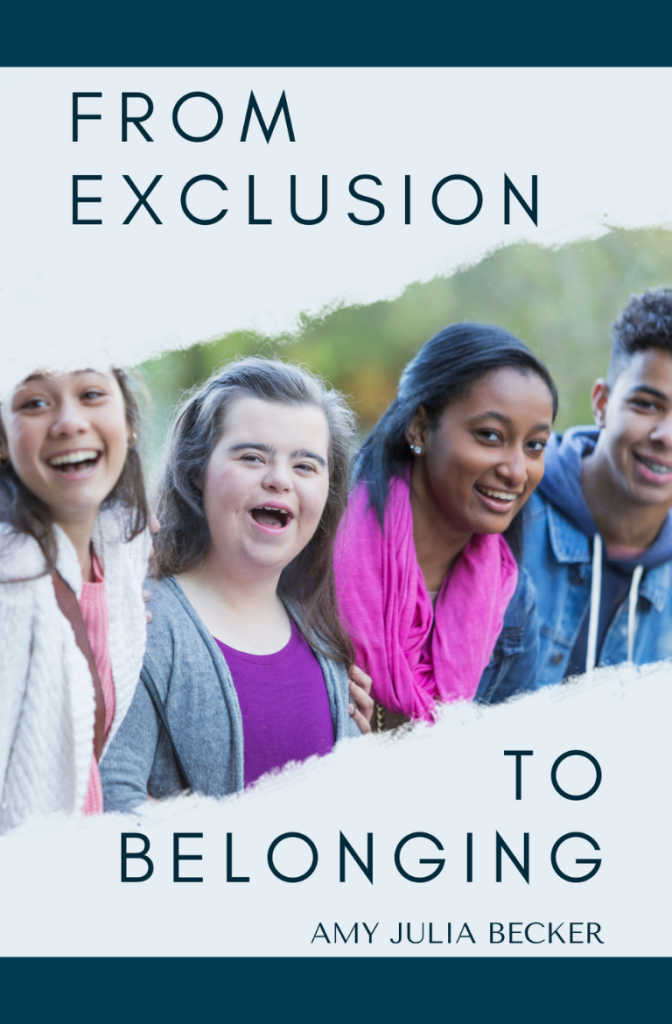
An illustrated guide designed to help you identify and create spaces of welcome and belonging—download today!