
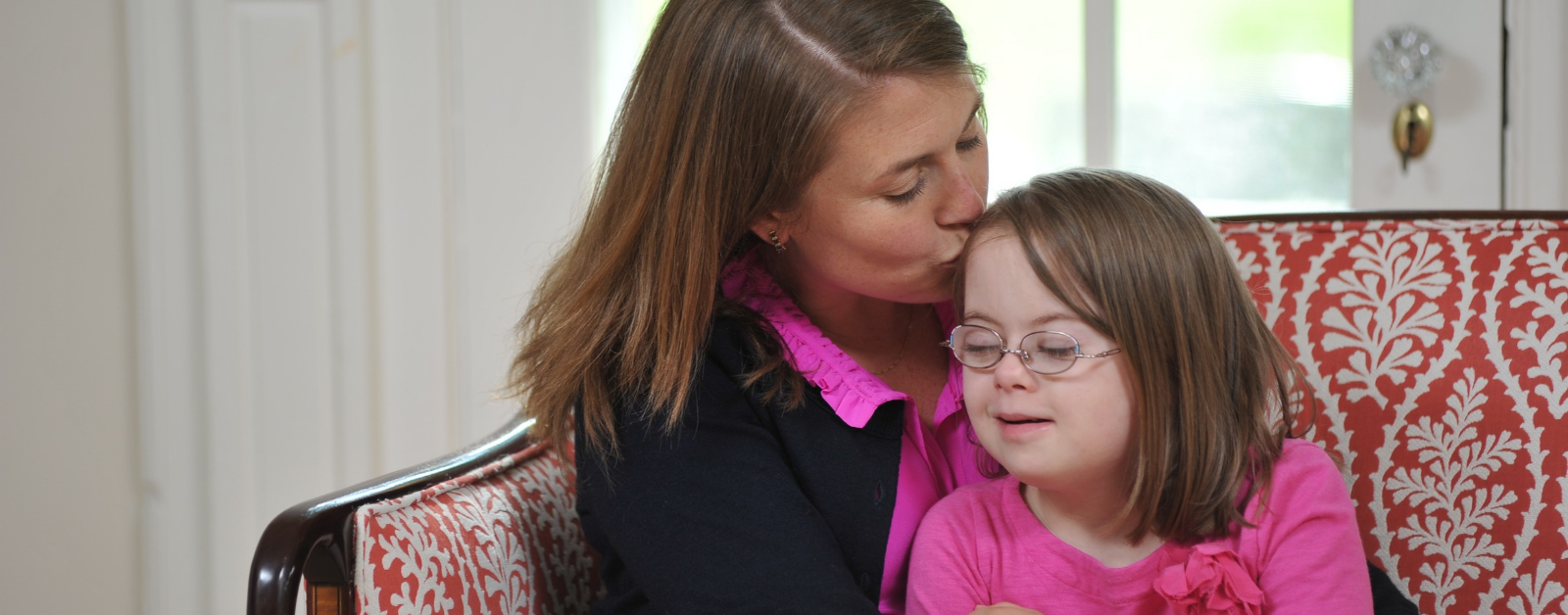
I’ve talked with many parents of children and adults with intellectual disabilities who’ve experienced significant loss, and one of the things they’ve told me is that they didn’t know how to recognize their child’s grief, and they didn’t know how to help their child process grief.
My friend, and a family therapist, Sissy Goff talked with me about helping individuals with disabilities through grief. She says, “Grief is a reaction to love.” I’m grateful for her practical insights. Here’s some of what I took away:
1. Grief can be present even when a child can’t talk about it.
Children (and adults) with intellectual disabilities may not have the words to express grief, so parents need to watch for changes in areas such as sleep, eating, physical health, anxiety, anger, agitation, and clinginess.
__
2. Regression can be a response to grief.
Individuals may return to behaviors or developmental stages that feel safer when they are overwhelmed by loss. “Regression is a temporary return to a less complicated time.” Sissy points out that it’s easier for us to respond to tears with compassion, but baby talk, thumb-sucking, acting out, or other regressive behaviors can often irritate us as parents. Naming this reality can help us respond to regression with patience and compassion rather than with frustration.
__
3. Grief needs ongoing opportunities for expression.
Instead of expecting children to sit down and talk about their feelings, parents can keep circling back through feelings or color charts, drawing, play, hugs, and other low-pressure ways of checking in.
__
4. Make space for emotions while maintaining boundaries.
Children need to know that sadness, anger, frustration, and other emotions are okay, while also learning that those emotions don’t make harmful behavior acceptable: “All emotions are welcome, but all behavior is not.”
__
5. Remembering can help children move toward hope.
Memory boxes, albums, stories, drawings, and talking about memories can allow children to acknowledge their loss and create space for connection and hope.
__
Hear more from Sissy on Take the Next Step:
When Grief Has No Words: Helping Kids With Disabilities Process Loss • Sissy Goff, LPC-MHSP
SUBSCRIBE to my Substack newsletter: amyjuliabecker.substack.com
JOIN the conversation on Instagram: @amyjuliabecker
LISTEN to my podcasts: amyjuliabecker.com/shows/
CONNECT on YouTube: Amy Julia Becker on YouTube
Amy Julia Becker desires to challenge assumptions about the good life, proclaim the inherent belovedness of every human being, and help us envision and build a world of belonging where everyone matters. Amy Julia invites people to reimagine the good life through her writing and speaking on disability, faith, and culture. She is the author of several books, including To Be Made Well, White Picket Fences, Small Talk, and A Good and Perfect Gift. She is a guest opinion writer for national publications and hosts two podcasts: Take the Next Step and Reimagining the Good Life. Becker is a graduate of Princeton University and Princeton Theological Seminary (MDiv). She is a member of the Disability Ministry Network and the Alliance for Disability Justice and Ethics in Reproductive Genetics. She lives with her husband and their three children in western Connecticut.