
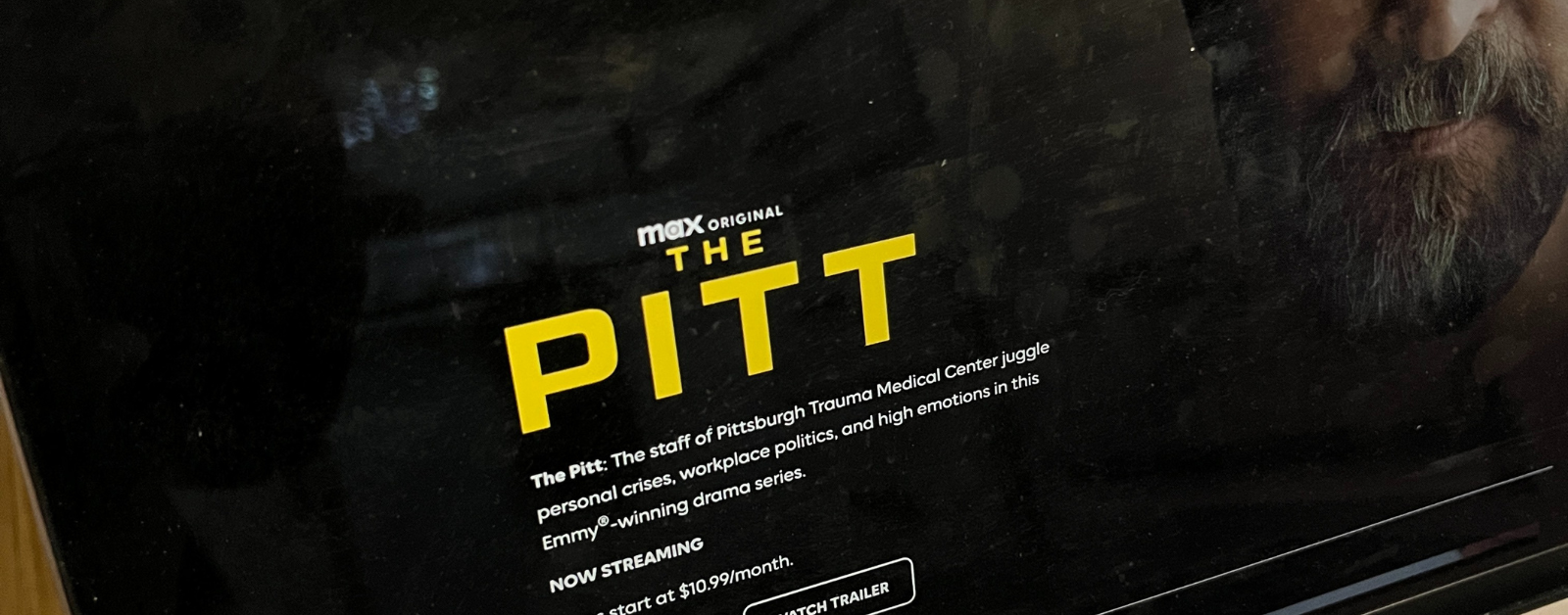
I’ve been noticing how The Pitt portrays people with disabilities. As with most everything else, they do a good job. First, there are the disabled patients who come into the ER. In season one, we meet a young autistic man with a sprained ankle who gets dysregulated by bright lights and lots of noise until a young doctor in training understands how to help him. In season two, a Deaf woman goes overlooked and unnoticed in the waiting room until finally receiving an interpreter. The scene that shows her communicating with a nurse also shows the nurse’s discomfort. She insists that he look at her and speak with her, and he apologizes.
But in addition to the patients who come in, we also see disability as part of the life of working doctors. The psychiatrist on call uses a wheelchair. The same doctor in training who knew how to care for the autistic young man has an autistic sister and talks about her own challenges with understanding social cues and sensory processing. The Pitt both normalizes and neutralizes disability, rather than relying on stereotypes or falling into a medical model that, at its worst, reduces people to diagnoses and overlooks their broader personal and social lives.
In other words, this show portrays real people—and real health care providers—who aren’t perfect in how they interact and who also want to serve patients well. We could use many more depictions of disability that follow their lead.
SUBSCRIBE to my Substack newsletter: amyjuliabecker.substack.com
JOIN the conversation on Instagram: @amyjuliabecker
LISTEN to my podcasts: amyjuliabecker.com/shows/
CONNECT on YouTube: Amy Julia Becker on YouTube